The short answer
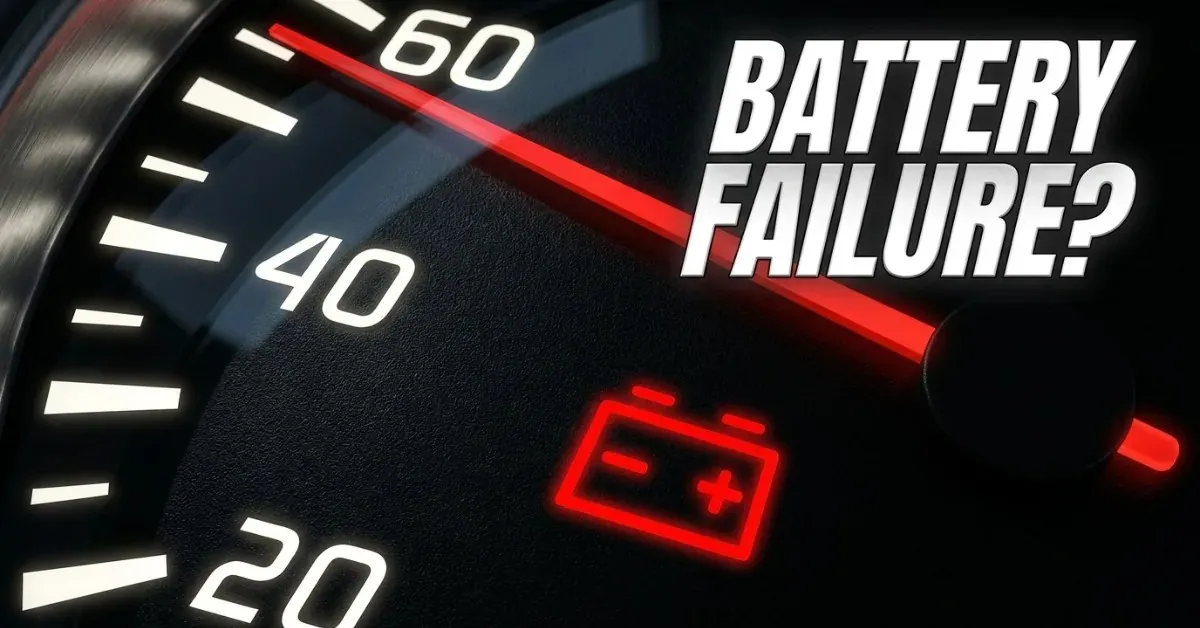
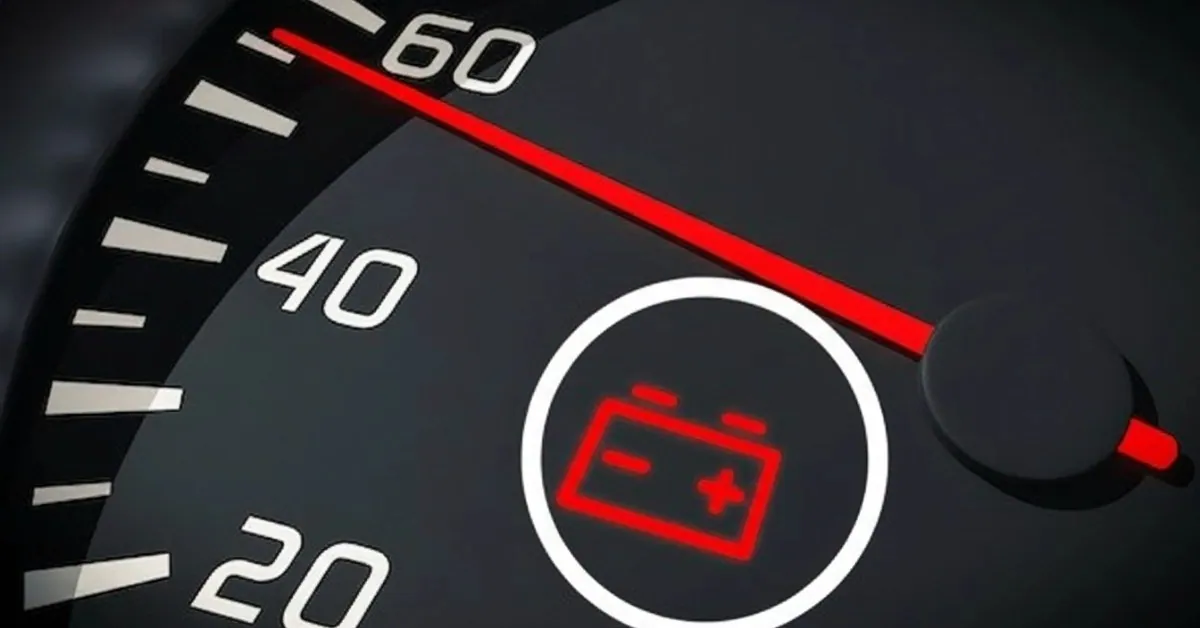
Most drivers know the feeling. You are on a busy UAE road, on your way to a meeting or heading off for the weekend, and a little red battery-shaped symbol appears on the dashboard. Your stomach drops. Is the car about to cut out? Is the battery going to blow up?
That red symbol is the car warning you of a fault in the charging system. The battery itself is not necessarily flat, but the car is now living on borrowed time, running purely on whatever energy the battery has stored.
Leave it unfixed and sooner or later the engine will stop. Knowing what switches the symbol on, and what to do about it, can keep you from being stuck at the roadside in the heat.
How Does the Charging System Keep the Car Running?
To make sense of the warning, start with the group of components under the bonnet that work together. The battery does not run the car on its own. Its main task is actually to deliver the large surge of power the starter needs to turn the engine over.
When the engine is going, the alternator (sometimes called the dynamo) takes over. It generates the electricity for the headlights, the air conditioning and the radio, and at the same time it refills the battery ready for the next start.
Should the alternator stop working, the battery is left carrying everything by itself. Its capacity is limited, so it will run dry in the end, and the red symbol comes on to tell you the books no longer balance.
Why Does the Warning Come On?
The red symbol seldom has a single cause. These are the faults drivers across the Emirates run into most:
1. The Alternator Is Wearing Out
The alternator sits at the centre of the charging system, and its internal parts wear with age. Once it can no longer put out enough voltage to meet what the car's electrics demand, the warning lamp is triggered.
It happens a lot in hot climates, where the air conditioning keeps the electrical system working at full stretch.
2. Battery Cables Are Loose or Corroded
The charging side can be perfectly healthy while the current fails to get through. White, crusty build-up on the terminals, or a clamp that has worked loose, breaks the circuit. The battery then receives no charge, and the car reads that as a failed system.
3. The Serpentine Belt Has Snapped or Is Slipping
A rubber belt driven by the engine turns the alternator. A slack belt may squeal; a broken one leaves the alternator standing still. With nothing turning it, no electricity is made and the warning appears on the dashboard straight away.
4. The Battery Is Near the End
The alternator is the usual suspect, but an ageing battery that will not hold its charge can set the symbol off too. Because the summers here are so fierce, most batteries in the UAE last 2 to 3 years.
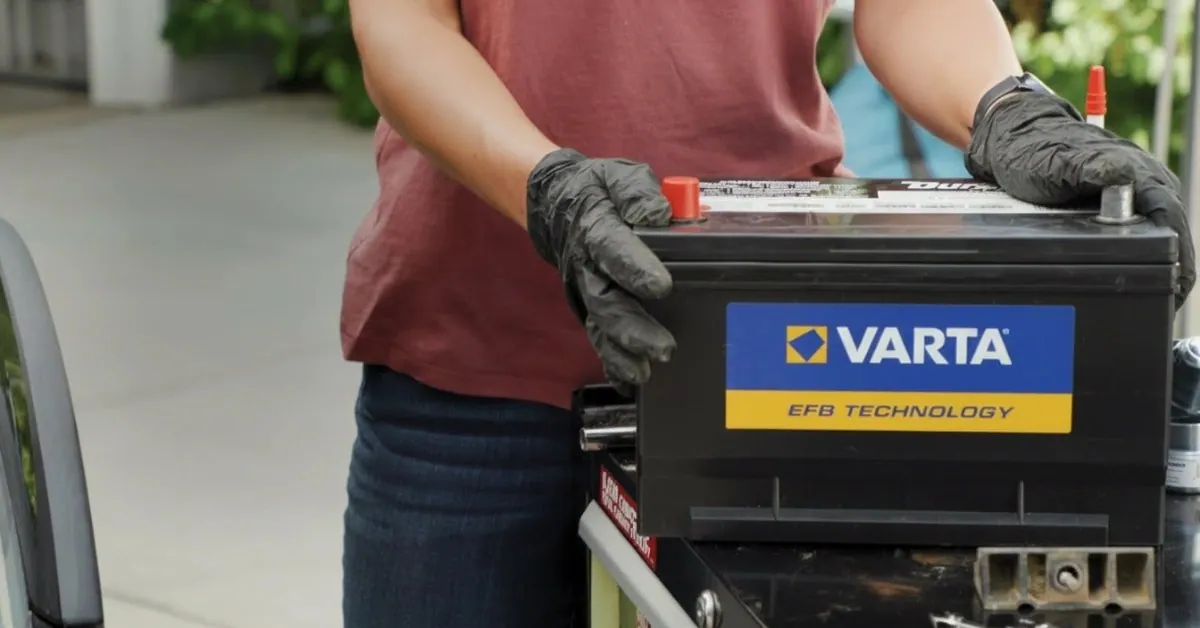
If yours is getting to that age, a car battery replacement fitted by a professional in Dubai is usually the dependable fix.
The Symbol Lit Up While You Were Driving. Now What?
Stay calm, but move quickly. You only have so long before the car stops running.
- Switch off everything you can do without: the radio, the phone charger and any cabin lights.
- Go easy on the air conditioning: hard to do in UAE heat, but it draws a huge amount of current, and turning it down may buy you the few extra kilometres you need to get somewhere safe.
- Keep the engine running: once you switch off, there will probably not be enough charge to restart. Carry on until you reach a garage or a safe place to park.
- Make for somewhere safe: if you are a long way from home, find a nearby workshop or a safe place to stop and call roadside assistance.
Checking the Cause Yourself at Home
Once the car is parked safely at home, you can look for the fault yourself by working through these checks:
Look at the Terminals
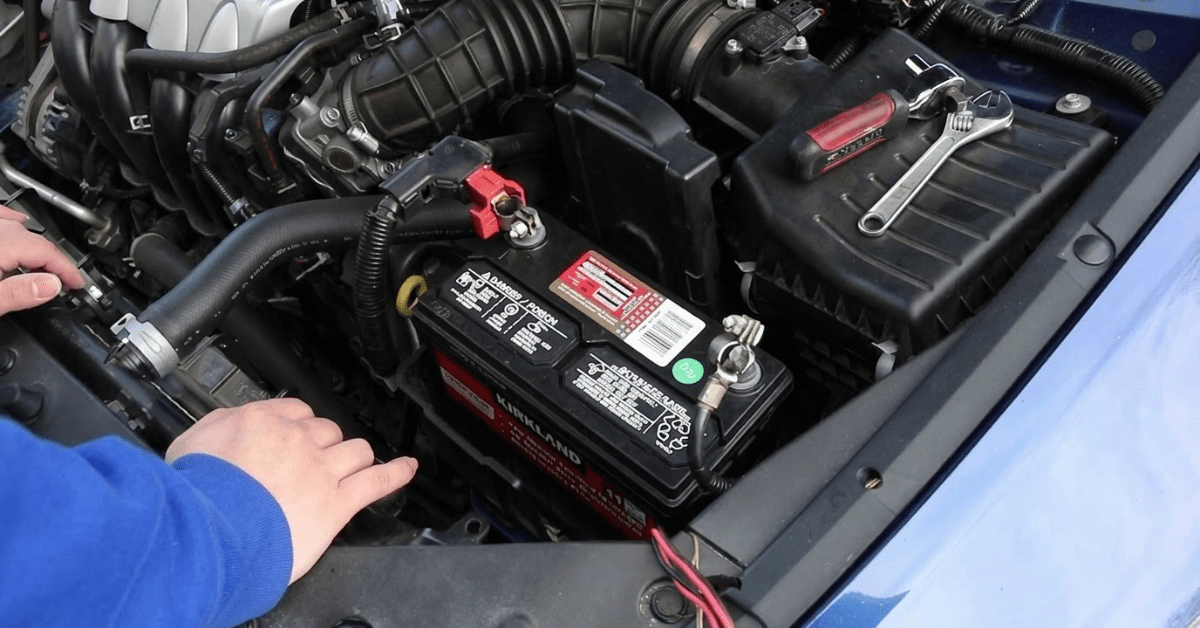
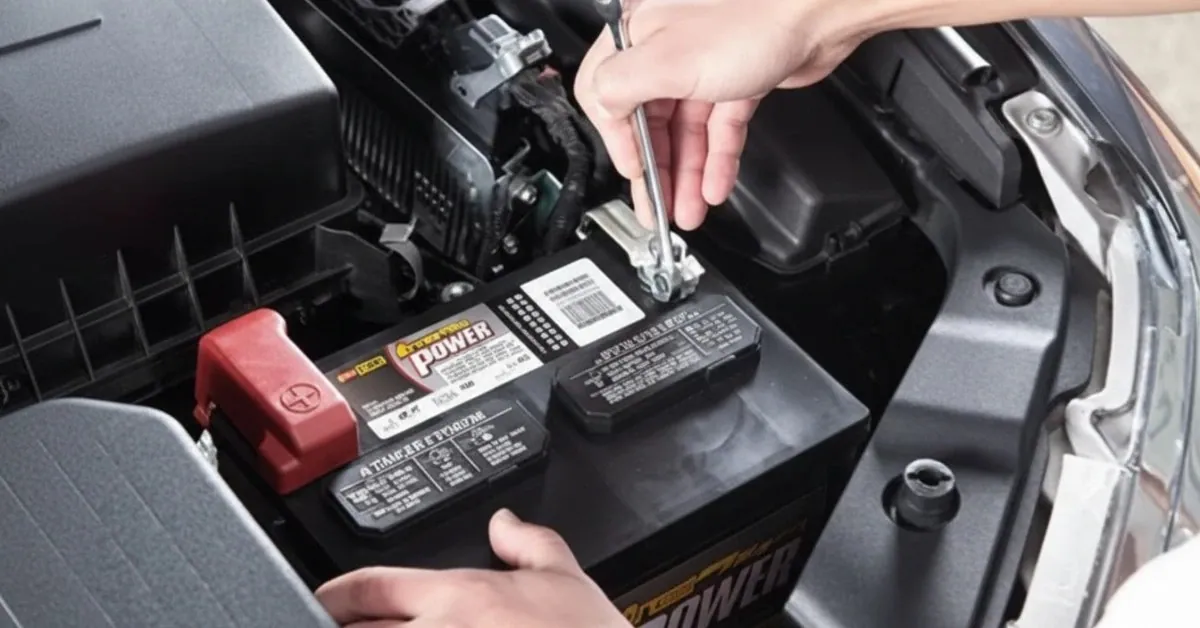
Open the bonnet and find the battery. Are the metal clamps firm? If a hand can shift them, they need tightening with a spanner. Any white powder should be cleaned off with baking soda mixed into water.
Examine the Drive Belt
Find the long rubber belt running round the side of the engine. Is it frayed or cracked, or gone altogether? A shiny, glazed surface means it may be slipping, so the alternator cannot spin as fast as it should. Where the belt turns out to be the problem, an alternator & dynamo repair may be needed to put things right.
Measure the Voltage
A multimeter lets you check the battery's condition. A healthy one reads close to 12.6 volts before you start up. Once the engine fires, the figure should climb to 13.5 to 14.5 volts. A reading stuck at 12 volts, or one that drops while the motor idles, points the finger at the alternator.
Causes and Fixes at a Glance
| Fault | What You Notice | Remedy |
|---|---|---|
| Corroded terminals | White or green crust on the battery | Clean with baking soda, then tighten. |
| Ageing battery | Slow to start, symbol stays lit | Fit a new battery. |
| Faulty alternator | Dim lights, a burning smell, symbol lit | Repair or replace the alternator. |
| Slack belt | Squeal from the engine bay | Tighten or renew the serpentine belt. |
What Has the UAE Climate Got to Do With It?
Humid air and intense heat make a car's electrical parts work harder. Heat speeds up the chemical wear inside a battery, and it dries out the rubber in drive belts so they crack sooner than they would somewhere cooler.
Paying attention to the warning and to the state of the charging system is a safety matter as much as a maintenance one. Nobody wants to be stranded on a motorway at 45°C.
The Bottom Line
Of all the warnings a car can show, the battery light is among the most useful. It is an early alert that gives you time to sort the fault out before the car refuses to move at all. A loose wire, a worn belt or a battery that has simply reached the end of a long life, dealing with it promptly saves both time and money.
Stranded and the engine refuses even to turn over? Do not worry, because professional help is always on hand to put you back on your way. Keeping on top of your car's health makes every trip smoother and safer.
Battery trouble in Dubai? We come to you.
On-site testing, replacement and roadside help, 24/7 across the city.