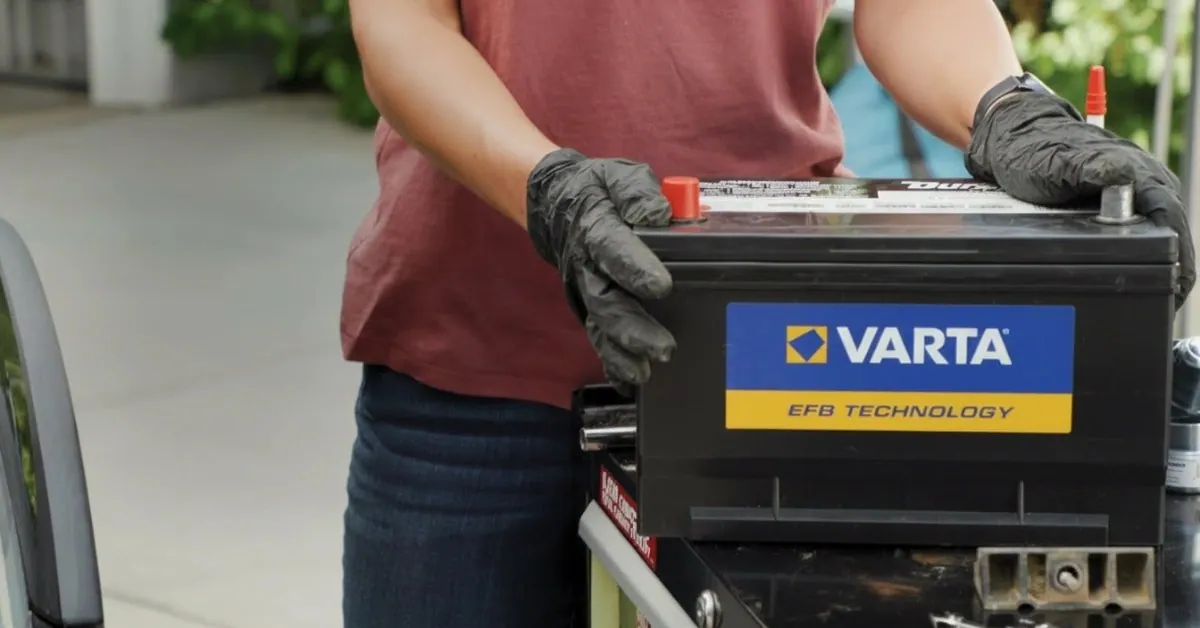
The short answer
A battery swap is one of the quickest jobs a car ever needs, and one of the most useful: it keeps the engine firing every morning and heads off breakdowns. Carmakers generally put the battery where it can be reached and changed without much fuss.
Allow roughly 15 to 30 minutes for the whole job. Your particular car, and where its battery sits, can push that a little either way.
A battery tucked away in an awkward spot, or terminals furred with rust, will stretch the timing. An experienced fitter with proper tools still gets through it fast, and a car that is looked after regularly tends to throw up fewer surprises on the day.
What Decides How Long the Swap Takes
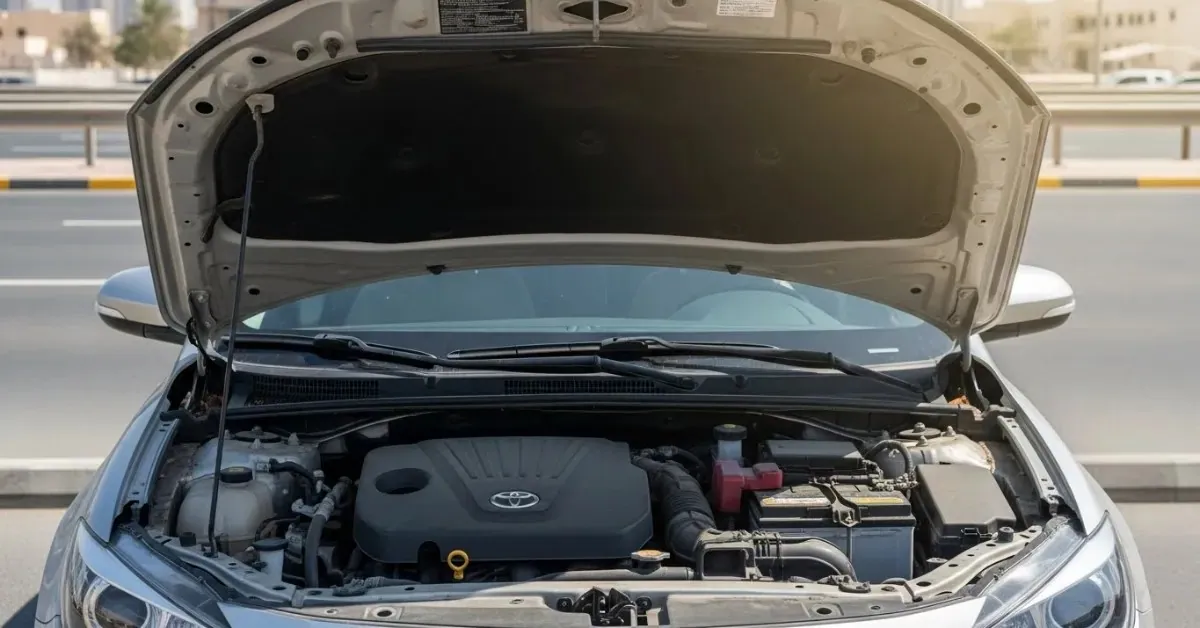
A handful of things set the pace when the old unit comes out and the fresh one goes in, and most of them are visible the moment the bonnet opens. Knowing them gives you a fair idea of the wait, and of why the car's electrics deserve careful handling.
Where the Battery Sits
The bonnet is the usual home, but some models keep the battery in the boot or beneath a seat. Getting to those means lifting trim or shifting parts out of the way, which adds a few minutes.
How Complicated the Car Is
Luxury and German cars often hide the battery behind covers and elaborate clamps. Taking those apart and putting them back correctly simply takes longer than on an everyday hatchback or saloon.
Corroded Terminals
White or bluish crust on the posts has to be scrubbed off before anything new is connected. Skipping it would leave a poor contact, so it is time well spent, even though it lengthens the visit.
Registering the New Battery
Many upmarket cars must be told a new battery has been fitted, using an OBD-II scan tool, so the charging logic adjusts. Without that step the fresh unit can be overcharged, and the process normally adds 5 to 10 minutes.
Letting a Specialist Handle It
If you want it done quickly, a specialist is the sensible route. Our technicians carry the kit for all of the above and deal with it on the spot, so you are driving again with little delay.
How Dubai Summers Treat a Car Battery
Intense heat speeds up the chemistry inside a battery and wears it out sooner. Left unchecked, that often ends in a failure with no build-up at all.
Heat drives off the liquid inside, and the exposed plates suffer for it. The driver frequently gets no clue before the car simply refuses to start one day.
It also hastens corrosion, and the air conditioning piles on extra electrical demand. A short check by a professional before the hottest months is the safest habit.
The Swap, One Stage at a Time
Working to a set order keeps the electrics safe and everything functioning. These stages are how a worn unit is exchanged for a dependable one without drama.
Getting Ready Safely
Stop on level ground, switch the engine off and apply the handbrake. Have the right spanner and a pair of protective gloves to hand before touching the terminals.
Taking Out the Old Unit
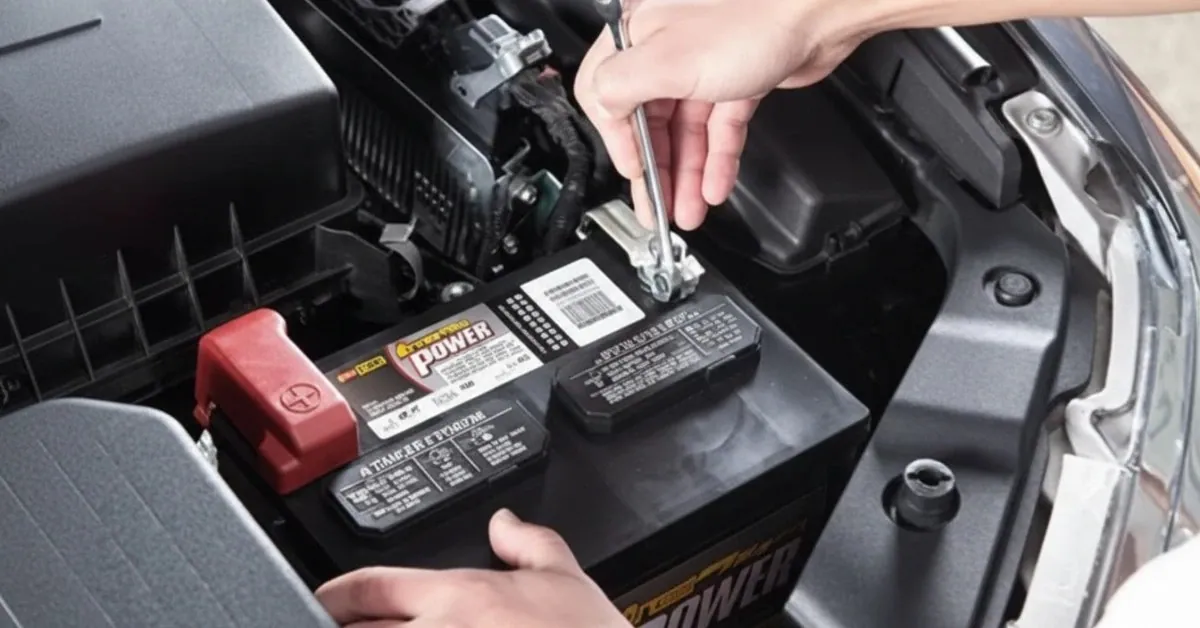
Undo the negative (black) lead first, which removes the risk of a short. With that clear, release the positive (red) lead and then the clamp holding the battery down.
Cleaning the Clamps
Look over the metal clamps for white or blue acid deposits that could spoil the contact. Scrub them with a wire brush until clean, then lower the replacement into its tray.
Fitting the Replacement
Seat the new battery and fix it with the hold-down clamp. Attach the positive lead, then the negative, and tighten each so current flows steadily.
Checking the Result
Start the engine to confirm a solid connection and a working charging circuit. If you would sooner not do any of this yourself, book a car battery replacement with us and a technician will take care of every step with care.
Clues That Your Battery Is Nearly Finished
Catching the early clues saves you from a car that dies without notice. Spot any of these and book a professional check, or budget for a new unit, before the car makes the decision for you.
- Fast clicking at the key: a rattle of clicks where the engine should turn tells you too little current is reaching the starter.
- A misshapen case: severe heat can make the casing bulge or swell, a plain sign the cells inside are damaged.
- A sharp chemical smell: a leaking or overcharged unit gives off a sulphur-like odour and needs attention at once.
- Fluid running low: where the case is see-through and the liquid sits below the plates, output falls off quickly.
- More than three years old: in a hot climate reliability drops sharply after three years, so regular professional testing matters.
What Can Hold the Job Up
Some technical snags slow the swap down. Knowing about them helps you plan for a smoother visit.
- Badly corroded terminals: thick acid deposits need a thorough clean before the replacement can go in safely.
- Hard-to-reach batteries: units in the boot or under a seat take longer to get at and lift out.
- Seized brackets: rusted bolts may need special tools and extra effort to free.
- Sensitive electronics: some cars need a memory saver so stored settings survive the swap.
- Coding: premium models often have to register the battery with the car's computer before it works properly.
- Worn cable ends: frayed or broken leads must be fixed straight away to keep power flowing.
When to Plan the Change
Aim to fit a new car battery roughly every three to four years, ahead of the hottest weeks of summer. Doing it on your own terms avoids a sudden failure and the risk of being stranded in punishing conditions.
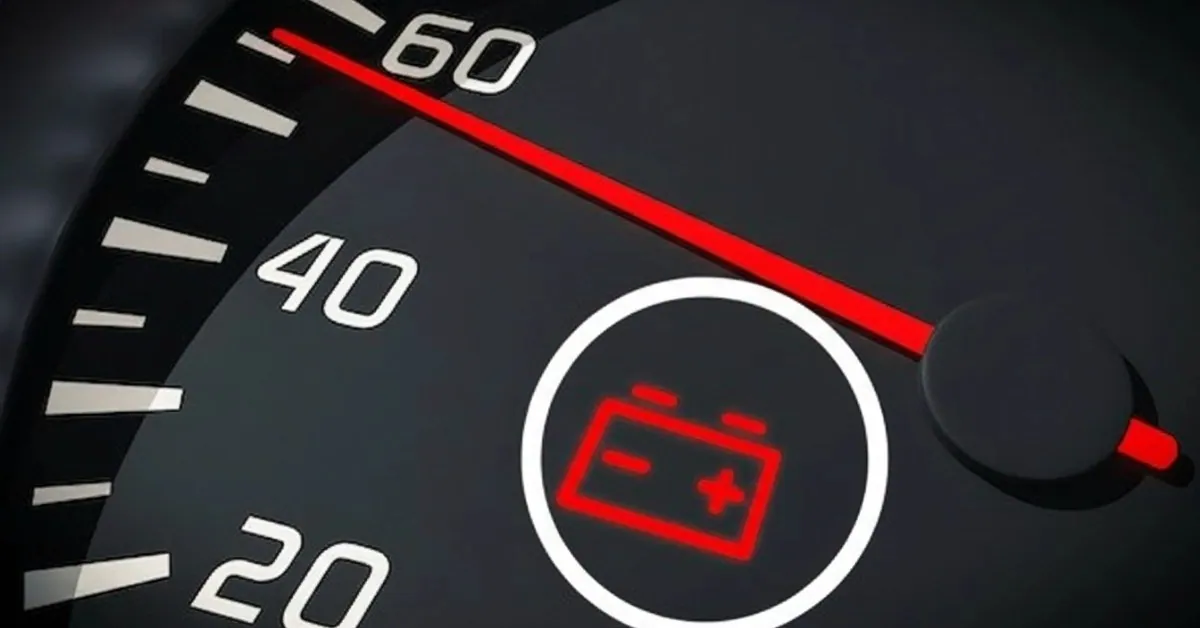
Do not wait if the engine turns over slowly, the lights fade or a warning appears on the dash. A battery test during routine servicing picks up a weakening unit before it lets you down.
Why a Prompt Swap Pays Off
Dealing with a weak battery straight away stops a small annoyance growing into a bigger mechanical bill. It keeps the car dependable, shields its delicate electronics and lets you choose the time rather than the battery choosing it for you.
Changing a tired unit early means you are not stuck in a car park or on a fast road in the worst of the heat. A failing battery also makes the alternator labour harder, and an alternator that burns out early is an expensive repair.
The car's computers need steady voltage, and a dying battery can upset the navigation or safety systems. A quick swap means the engine fires at once, and it spares you the cost of an emergency tow.
In Short
A sound battery underpins a dependable car, all the more so in a harsh climate. Watching for the early clues and changing it before it fails keeps unwelcome breakdowns away.
A fast, properly done swap saves you time and protects the car's intricate electrics. Keep the battery healthy and your journeys carry on without unplanned stops.
Common Questions
What battery suits a UAE summer?
For the fierce heat of Dubai and Sharjah, choose a sealed maintenance-free (SMF) battery built to tolerate high temperatures. A strong CCA rating helps it start reliably through the hottest months.
Can someone replace a car battery where I am parked in Dubai?
Yes. Mobile technicians cover Dubai and Sharjah and will come to your home or workplace, fit the new battery and test the charging system there and then.
What warranty comes with a new battery in the UAE?
Good-quality batteries are usually guaranteed for between 12 and 18 months. Ask for the official warranty card so you are covered against manufacturing faults or early failure.
Should I jump-start an old battery or change it?
A jump-start is a stopgap for the odd time you left the lights on. An ageing battery that no longer holds its charge needs replacing, or you will be stranded again.
How often should the battery be checked in the UAE?
With heat like ours, a health test every 6 months is advisable. Regular checks catch problems before they end in a full breakdown.
Does my car's computer need to know about the new battery?
Plenty of modern and luxury cars need the new unit registered with the engine control unit. That way the alternator charges it at the right rate and it lasts longer.
Could a bad alternator ruin a brand-new battery?
It could. An alternator that overcharges or undercharges can wreck a fresh battery in short order, so have the charging system tested whenever the battery is changed.
Battery trouble in Dubai? We come to you.
On-site testing, replacement and roadside help, 24/7 across the city.