The short answer
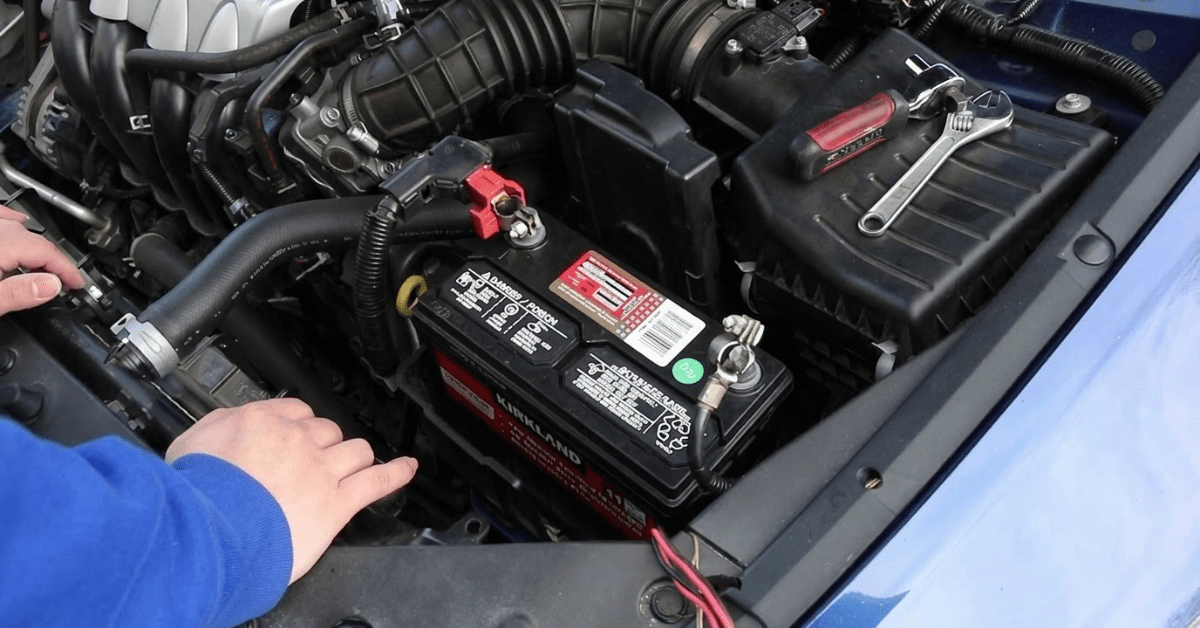
Few parts matter more, yet most drivers forget the battery until the engine will not turn over. How many years before you need another? That depends on how you drive, the weather and how well it is looked after.
We help motorists get ahead of dead batteries. Below: how long a typical unit survives, the symptoms before failure, and easy habits that buy it time.
How Many Years a Typical Battery Gives You
In ordinary use, expect 2 to 4 years. UAE heat eats into that, so plenty of units are due for a swap sooner.
Roughly, it breaks down like this:
- Conventional battery: 2–3 years
- Higher-grade AGM unit: 3–4 years
- Neglected, or cooked by constant heat: 1.5–2 years
Once yours passes its second birthday, have it checked on a regular basis.
What Shortens or Stretches Its Life
Identical batteries in two cars can wear out years apart.
How you drive: quick hops never let the alternator top the charge back up, so the battery gradually weakens.
Climate: heat makes the liquid inside evaporate faster, which is exactly the problem summers here create.
Electrical demand: displays, sensors and driver aids all add to the battery's workload.
The charging system: a weak alternator never charges the battery properly, and repairing the alternator or dynamo is then what protects a good car battery.
Symptoms That a Replacement Is Due
Batteries rarely die overnight. They drop hints first, and noticing them keeps you from being stuck.
Look out for:
- An engine that turns over lazily
- Weak headlamps or a dull instrument panel
- A click instead of a start when you turn the key
- A glowing battery icon among the dash lights
- Calling for jump leads more often than before
If the engine will not fire, a jumpstart call-out gets you moving while you arrange the swap.
So How Often Should It Be Changed?
No calendar date applies to every car, though these rules of thumb work well:
- Change it at 2 years: if the car is out every day in high temperatures
- Have it tested each year from year 2 onwards: this catches decline early
- Change it straight away: if it does not pass a load test
Swapping it on your own schedule costs less than paying for a rescue at the side of the road.
The Cost of Putting Off a Weak Battery
Leave a tired unit in place and the trouble tends to grow.
- A stall in the middle of heavy traffic
- Extra work for the alternator
- Faults in the car's electronics
- A tow truck or a roadside call-out
Many motorists only find out while waiting for roadside assistance, which an earlier test would have spared them.
Habits That Buy Your Battery Extra Time
Small routines can add months, sometimes years, to its working life.
- Switch off the lamps and gadgets before you kill the engine
- Do not let the car sit untouched for weeks
- Take a longer run now and then
- Wipe the terminals clean
- Choose a shaded bay if one is free
A car parked for days drains, and the starting trouble can end with a car recovery Dubai call-out.
When the Fault Lies Somewhere Else
The battery often takes the blame for a problem it did not cause.
Other suspects include:
- An alternator that is failing
- Terminals that are loose or crusted
- Something draining power while parked
- A starter motor on its way out
Testing the whole system stops you buying a battery you did not need. Our technicians check the charging circuit and starter too.
If It Gives Up While You Are Driving
Batteries often fail mid-journey, not at home.
Should that happen to you:
- Get off the carriageway somewhere safe
- Switch off anything electrical you do not need
- Ring for a professional
A roadside team or a tow keeps you safe and prevents further damage.
Why the Fitting Is Worth Leaving to a Pro
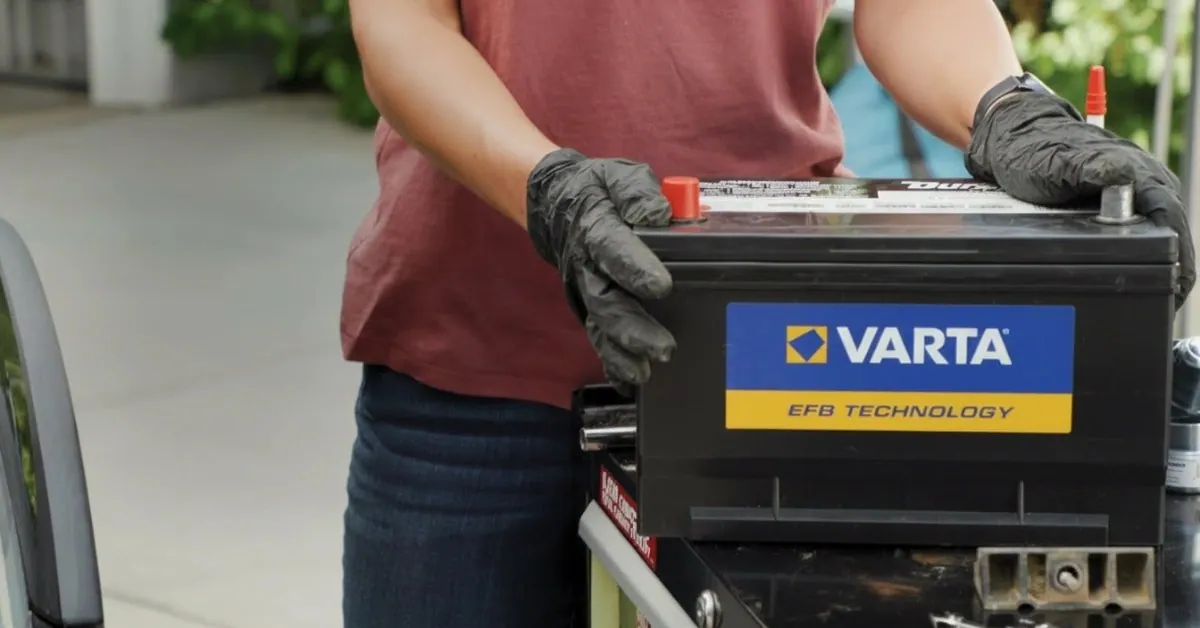
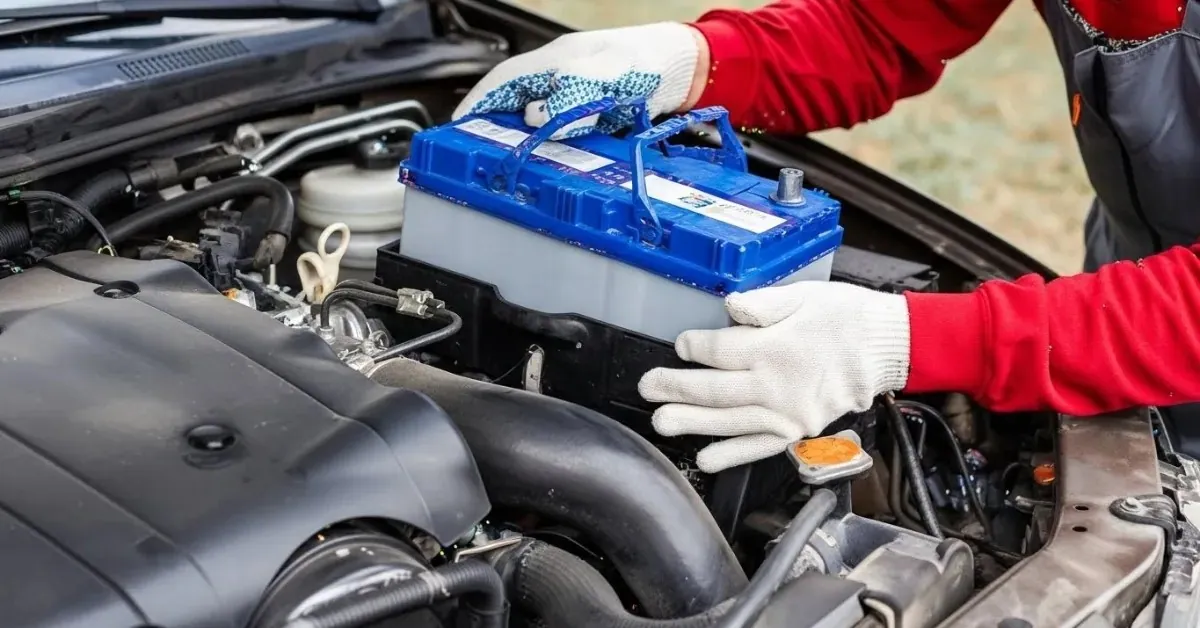
A modern car is full of electronics, and a careless swap can wipe settings or trigger faults.
A trained fitter makes sure of:
- A unit matched to the car's specification
- A secure, safe installation
- Responsible recycling of the old unit
- A check of the system once the new one is in
That lowers the chance of knock-on trouble such as an overworked alternator or a second breakdown.
The Short Answer
Most motorists need a fresh battery every 2 to 4 years, according to use. With summers this hot, regular testing stops a failure catching you out.
Watch the symptoms, drive so it can recharge, and call for help when needed, and your battery will last longer. We catch problems early and reach you fast, so a flat battery never leaves you stranded.
Battery trouble in Dubai? We come to you.
On-site testing, replacement and roadside help, 24/7 across the city.