The short answer
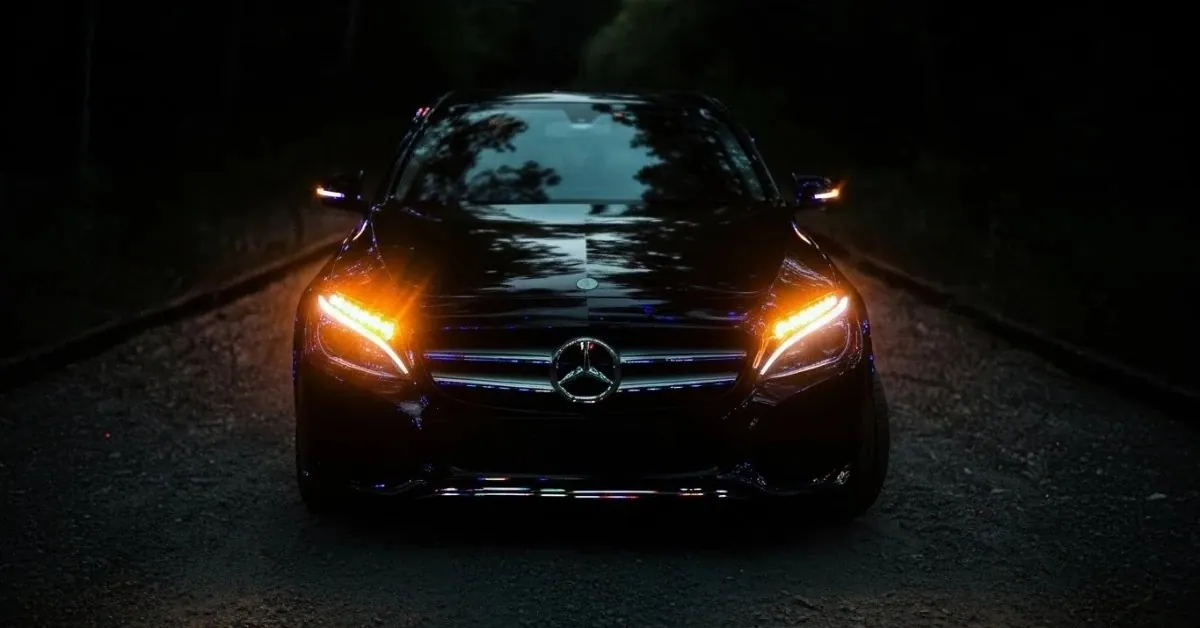
Walking away with the headlights still burning happens to far more drivers than you might guess. So how much time do you really have before the battery gives out? The battery cranks the engine and feeds every electrical item, from the lamps to the screen and the safety systems. Lights left on eat into that charge, and a tired battery can go flat fast and leave you stuck.
Below you will find typical run times with the lights left burning, what can go wrong, and the steps to take once the battery has died.
What the Battery Actually Does
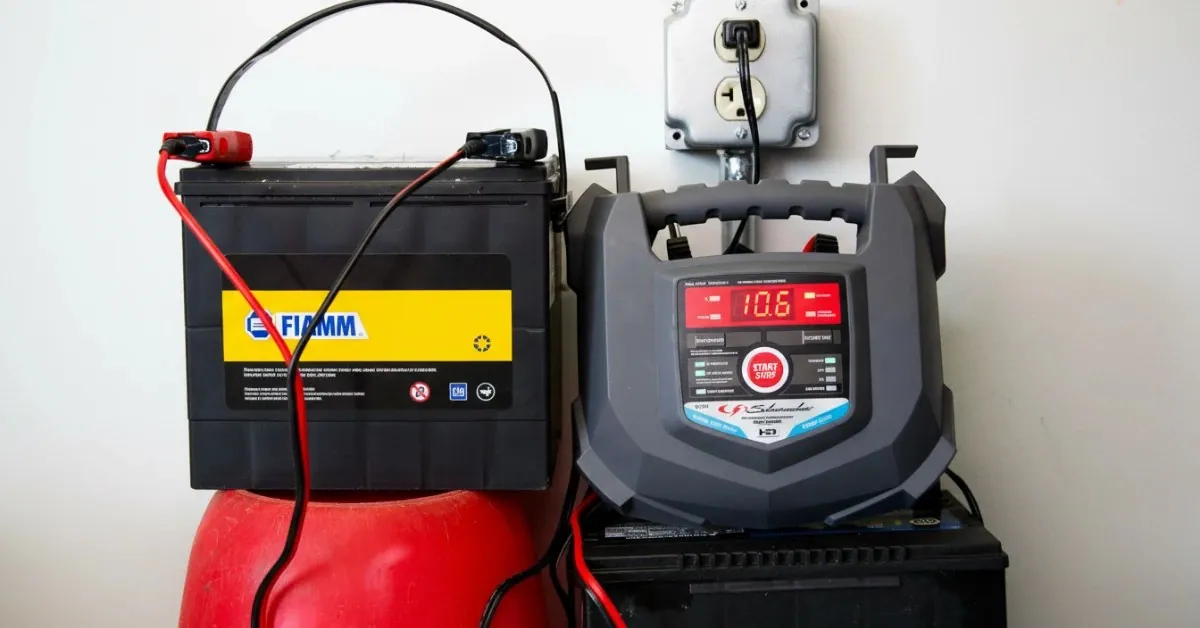
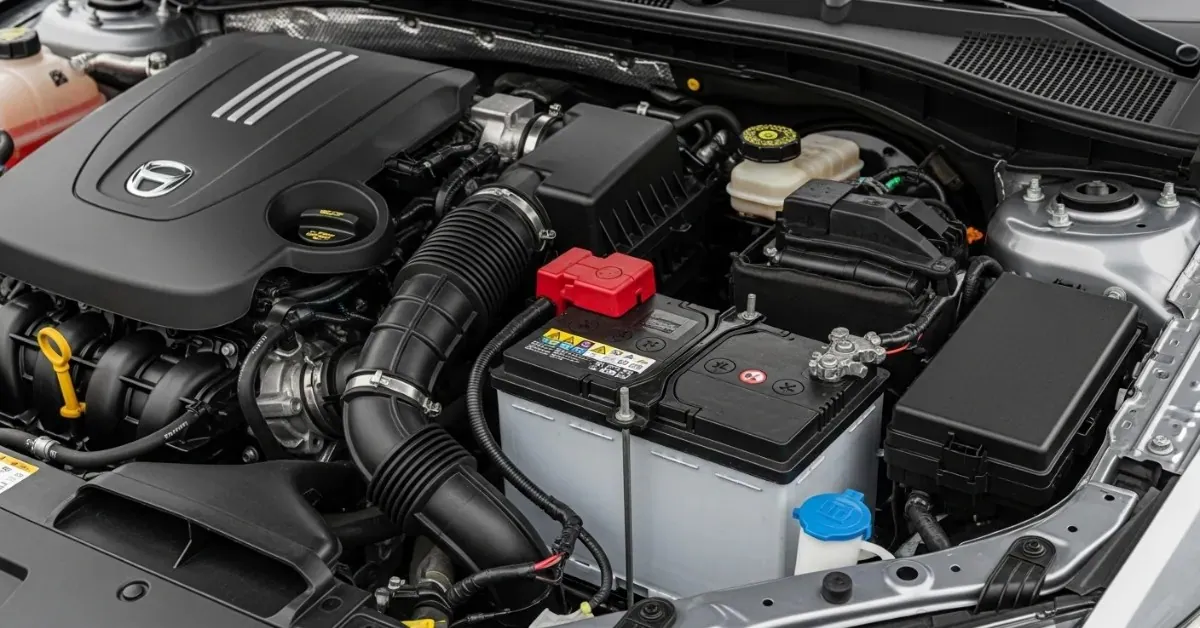
The battery is the car's main store of electricity. It holds the energy that turns the engine over and runs the electrics while the engine is stopped. A typical unit is rated at 45–70 Ah (ampere-hours), and that rating sets how long it can keep supplying current.
The basics:
- Usual service life: 3–5 years
- Common types: lead-acid or AGM
- Main jobs: cranking the engine and powering the electrics
How old the battery is, and what kind it is, largely decides how long it holds out with the lights burning. An ageing battery has less capacity left, so it empties sooner and can give up earlier.
Typical Run Times With the Lights Left Burning
Much depends on the battery's health and on which lamps were left switched on:
- Fresh battery, headlights on: 4–6 hours
- Worn battery, headlights on: 1–3 hours
- Cabin lamps alone: 8–12 hours from full charge
Bigger loads such as main beam or the infotainment system empty it more quickly. A moment's forgetfulness can be enough to leave the car dead, all the more so in the summer heat here.
Once a parked car battery has gone flat, you will need outside help such as a jumpstart or a tow before you can drive off.
What Can Go Wrong
Forgotten lights sound trivial, yet they can lead to a string of problems:
- A flat battery: you can be stranded when you least expect it.
- A shorter working life: every deep discharge takes something out of the battery.
- Extra load on the alternator: recharging a drained battery again and again can wear it out until it needs repair.
- Getting stuck: a dead car may mean calling roadside assistance or a recovery truck, which is no fun in the peak heat.
Knowing these risks makes it easier to avoid needless repair bills and keep the car dependable.
Your Battery Has Died: Next Steps
Found the car dead after the lights stayed on? Work through this list:
- Switch off every electrical item so nothing else draws current.
- Attempt a jumpstart with leads, or book a jumpstart service.
- Arrange a tow if the engine refuses to fire, so it reaches a workshop safely.
- Have the alternator tested, since repeated flat batteries can mean a charging fault that needs repair.
- Plan a replacement if the battery is old, so the same emergency does not keep happening.
Keeping the numbers for roadside help saved in your phone cuts the waiting and the worry.
Stopping the Lights From Flattening It
Prevention takes far less effort than reviving a dead battery. Some practical habits:
- Check every light is off before you get out.
- Set the headlights to automatic if the car offers it.
- Book an annual battery test to confirm it still reaches full charge.
- Carry a portable jump pack for emergencies.
- Cut down on very short trips that never let the battery recharge fully.
These small routines stretch the battery's life and keep you away from awkward breakdowns.
Clues That the Battery Needs Replacing
No battery lasts indefinitely, however carefully it is used. Think about a replacement when:
- The engine often labours to start.
- The battery has passed 4–5 years of age.
- It goes flat again soon after a jump.
- Lights and electrics dim or flicker without warning.
Routine testing and a well-timed swap help you avoid a breakdown at the worst moment.
The Short Version
Lights left burning can empty a battery quicker than most people expect. A healthy new unit may keep going for several hours, while an old one might last only about an hour. Knowing the state of your battery, understanding the risks and following a few preventive habits keeps you moving on the roads here.
If it does go flat, our team can jumpstart the car, arrange a tow or send roadside help quickly, getting you moving and the car ready for its next trip.
Battery trouble in Dubai? We come to you.
On-site testing, replacement and roadside help, 24/7 across the city.