The short answer
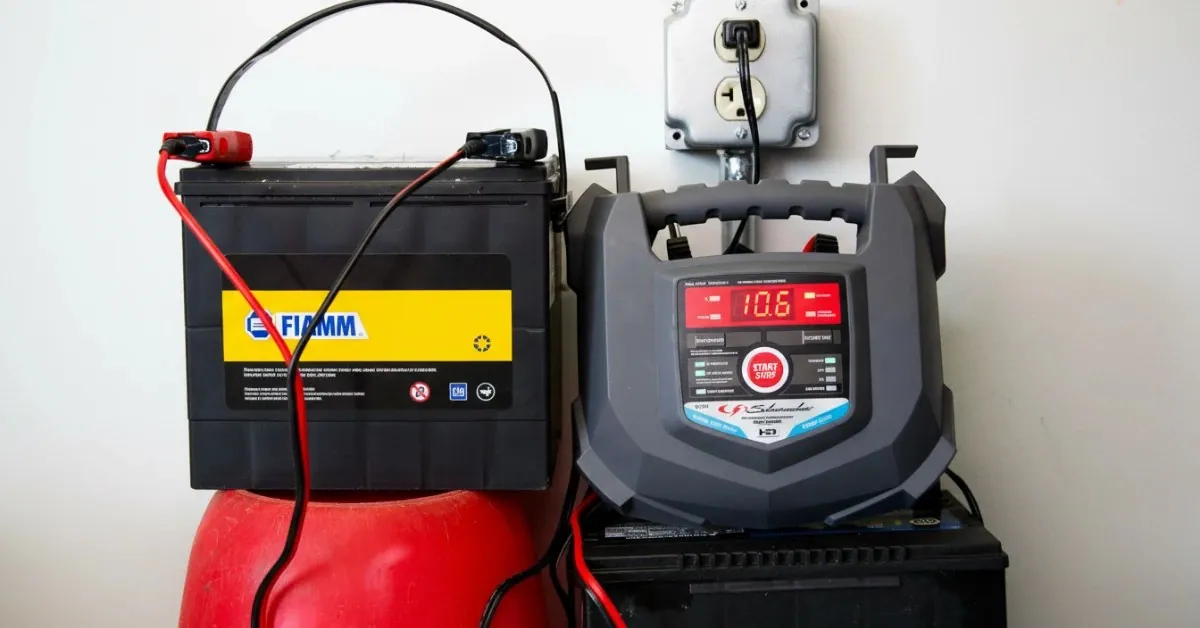
The right charger decides whether a flat battery comes back to life or gets pushed closer to the end. A good unit puts energy back without harming the cells, and it spares you the morning when the engine simply refuses to turn over.
Match the amperage to your vehicle and make sure the unit supports the type of battery fitted. Automatic, microprocessor-controlled models are the safer and more efficient choice.
Protection against overcharging and simple controls matter just as much. A small, tough unit is easier to live with, both on the garage shelf and in regular use, so the car is ready whenever you need it.
What Does a Charger Actually Do, and Why Own One?
It is a device you can carry that feeds electrical energy back into a drained battery. It pushes a regulated current through the cells until they hold enough to crank the engine. With summers as punishing as ours, every driver in the UAE is better off keeping one.
The reasons it earns its place:
- No waiting on the roadside: when the car will not start in your driveway or the office car park, you can sort it yourself instead of sitting for an hour until a recovery truck arrives.
- Longer service life: topping the cells up before they run completely flat means you are not paying for a replacement unit earlier than you should.
- Help against the heat: temperatures in Dubai and Sharjah pull charge out faster, and a charger holds the voltage steady through the hottest months of the year.
- Easy to use: today's smart units switch themselves off once the cells are full, so anyone can run one without worrying about damage.
With the proper kit in the boot, the car stays dependable however high the thermometer climbs.
Features That Separate a Good Car Battery Charger From a Poor One
The aim is a sensible balance between how quickly it works and how safely it does it. Each of the points below helps a unit cope with the tough conditions it will face here.
Automatic, Microprocessor Control
Current models read the battery's state continuously and cut out on their own once it is full. That stops overcharging and keeps the delicate electronics in your vehicle out of harm's way.
A Choice of Charging Currents
Better units let you pick a gentle 2A rate for upkeep or a quicker 10A setting for a faster recovery. Having both means you can give the battery exactly what it needs on the day.
Protection Against Sparks and Wrong Connections
Look for clamps that will not spark and circuitry that guards against reversed polarity, so a lead fixed to the wrong post does not cause an accident. Those two safeguards keep both you and the car out of danger.
A Casing Built for the Heat
Anything kept in a car in Dubai and Sharjah needs a tough, heat-resistant shell. A solidly built unit lasts longer and keeps doing its job through the peak summer months.
Using the Charger Safely, One Step at a Time
Work through the steps below to bring the charge back without risk. If the battery still will not respond, a towing truck can collect the car quickly.
- Get ready: park somewhere with good airflow and switch the engine off.
- Clean up: brush away any dirt or corrosion so the clamps make solid contact.
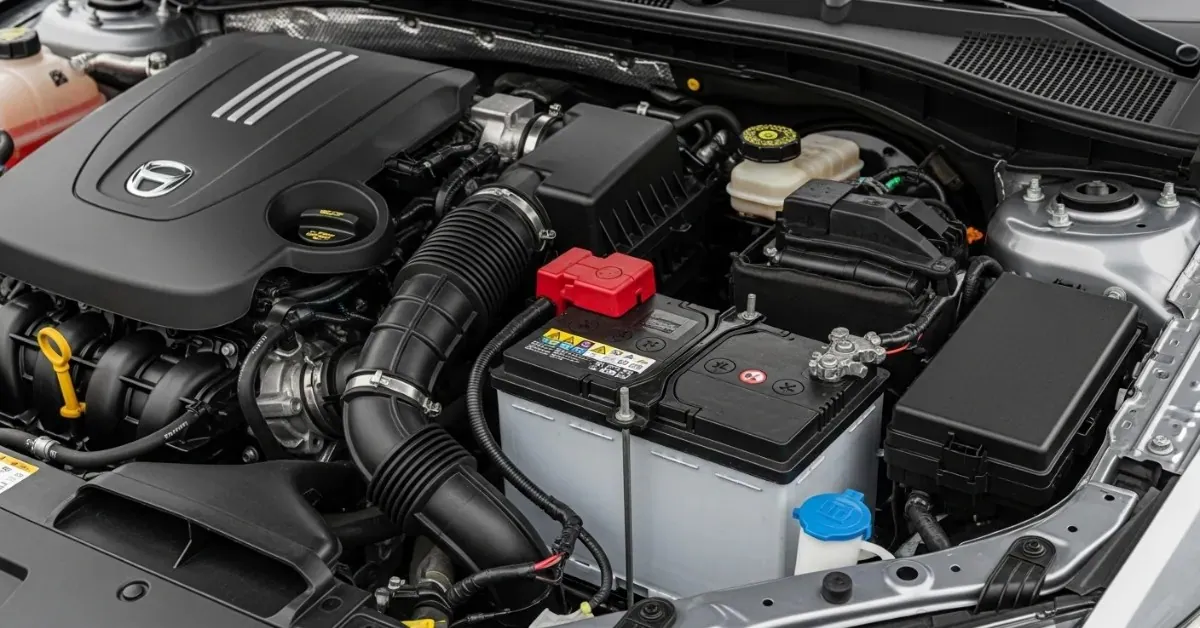
- Positive first: fix the red (+) clamp securely to the positive post.
- Then the earth: fix the black (–) clamp to bare, unpainted metal on the body or engine.
- Power on: plug the unit in and choose the setting that suits your car.
- Keep watch: glance at the display now and then to confirm the charge is going in at a safe rate.
- Finish properly: switch the power off, then take the clamps off, black one first.
Charger Types Side by Side
| Charger Type | Suits | Main Benefit |
|---|---|---|
| Smart Charger | Everyday cars and daily driving | Runs its own charging cycle with built-in safety |
| Maintainer | Cars parked for long spells | Keeps the battery topped up without overcharging |
| High‑Amp Charger | Badly drained batteries | Quicker recovery after a long period unused |
| Multi‑Voltage Charger | Households with several vehicles | Charges batteries of more than one voltage |
Matching the Unit to the Way You Drive
The right pick comes down to your vehicle and how often it moves. If you would like a hand, we can help you choose a suitable unit and keep the car running properly.
- Think about the job: do you want emergency starts, or a way of keeping a car healthy while it stands idle?
- Confirm it fits: the unit must support your battery type, whether lead-acid, AGM or EFB.
- Weigh up speed: if you need flat batteries back quickly, go for a higher amperage rating.
- Prefer automation: a smart model reads the battery's condition and adjusts the current by itself.
- Consider size: something light and compact stores easily in the boot.
- Insist on protection: buy only units with proper safeguards against short circuits and overheating.
- Check the extras: a digital readout or longer leads make the job easier.
Local and Seasonal Advice for a Healthier Battery
Summer heat here boils off battery fluid and speeds up discharge. Pick shaded bays whenever possible and inspect the terminals often for corrosion caused by the temperature. Clean connections stop power leaking away and keep the car dependable.
Clipping on a smart maintainer while the car stands unused steadies the voltage and protects the cells inside. Small habits like these head off sudden failures and expensive summer replacements, and ongoing care adds real years despite the harsh climate.
The Short Version
A well-chosen car battery charger keeps you ready to drive at any hour. When the problem is more than a flat battery, a car battery replacement from our mobile team in Dubai is fitted quickly and safely, and built to last.
Our technicians will also show you how to look after the new one, so it keeps performing through the extreme UAE climate.
Common Questions
Which kind of charger is most practical for everyday use?
A smart charger is the dependable pick for regular use, because it tracks the charge level by itself and will not overcharge. It is made for ordinary vehicles and keeps the electrical system out of danger.
Is it all right to leave the charger on all night?
Yes, provided it is a smart charger or a maintainer. Both switch off automatically and stop feeding current the moment the battery reaches full charge.
How many hours does a completely flat battery need?
That depends on the charger's output and the state of the battery, but somewhere between 4 and 12 hours is normal. A high-amp unit gets there sooner, whereas a low-amp maintainer is built for long-term condition, not speed.
AGM batteries from Varta are made for modern cars fitted with start-stop.
Bosch is another dependable name that fits a wide spread of vehicles in every class.
Can the battery stay in the car while it charges?
In most cases yes, as long as the engine is off and every electrical accessory is switched off too. Double-check the clamps are on the right posts so nothing shorts.
Does the UAE heat change how charging goes?
Hot conditions make a battery respond faster to charging, and with an old manual unit that can tip into overheating. Charge in a cool, shaded spot to stay safe.
How is a charger different from a jump starter?
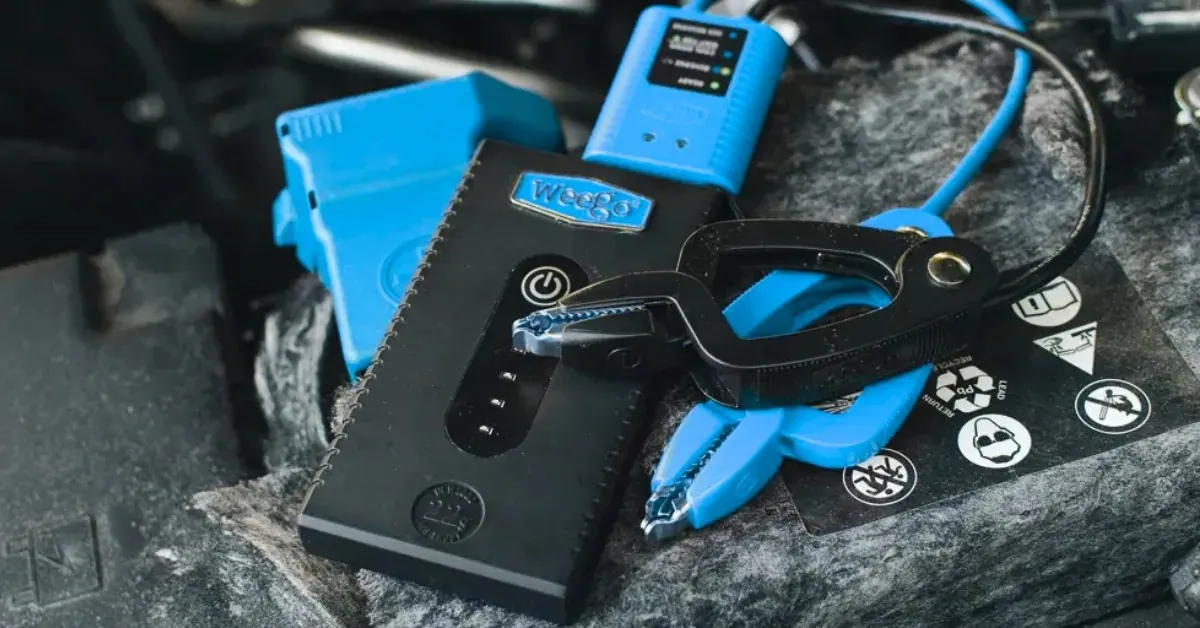
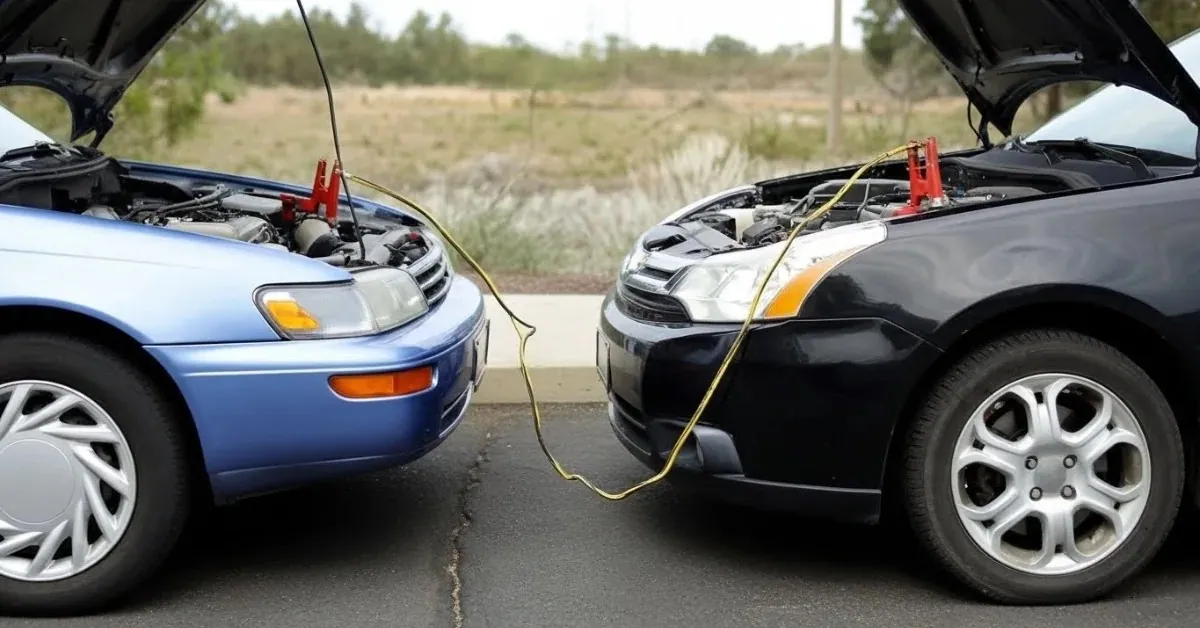
A charger refills the battery gradually over several hours, so the charge lasts. A jump starter delivers one short, powerful burst to get the engine going there and then, but it does not refill the battery.
How can I tell a battery is beyond charging?
A swollen case, leaking fluid or an error code that keeps coming back on the charger all point to a replacement. If it cannot hold its charge after a complete cycle, it has usually reached the end of its useful life.
Battery trouble in Dubai? We come to you.
On-site testing, replacement and roadside help, 24/7 across the city.