The short answer
A flat battery can leave you stuck on a hard shoulder with no easy way out. A jump starter, which many drivers call a jumper, gets the engine turning again and saves a long wait. We are often asked which kind to buy: one that is dependable, safe and built for emergencies.
Below you will find what these devices do, the specifications that matter, the right way to connect one, and the point at which a professional is the better call.
What Does a Jump Starter Actually Do?
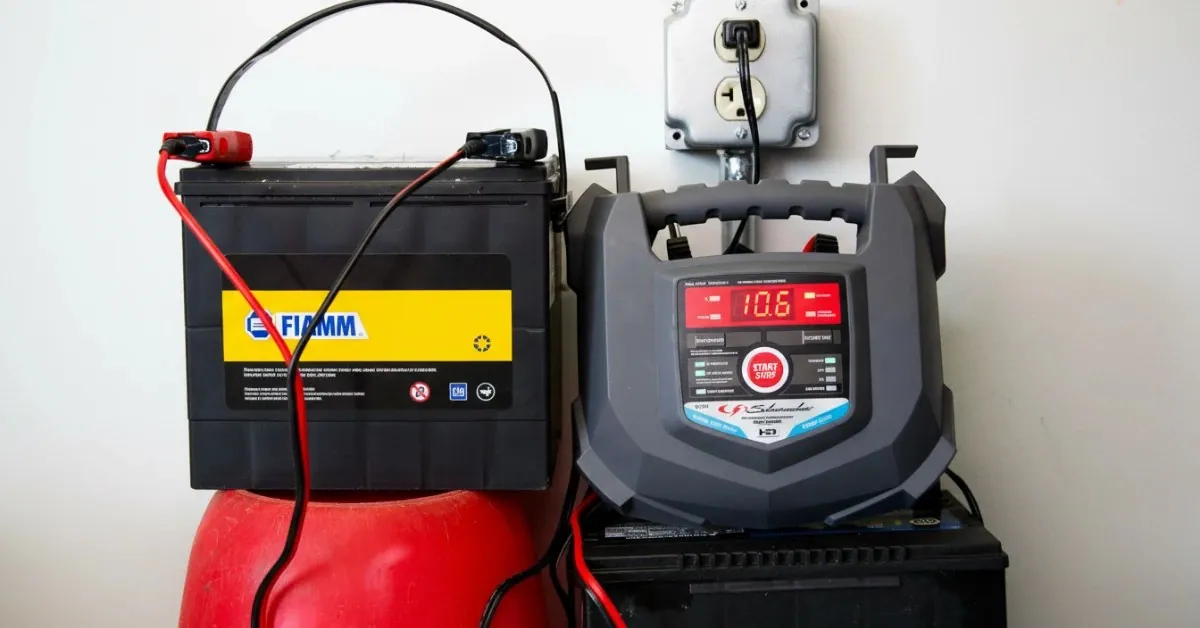
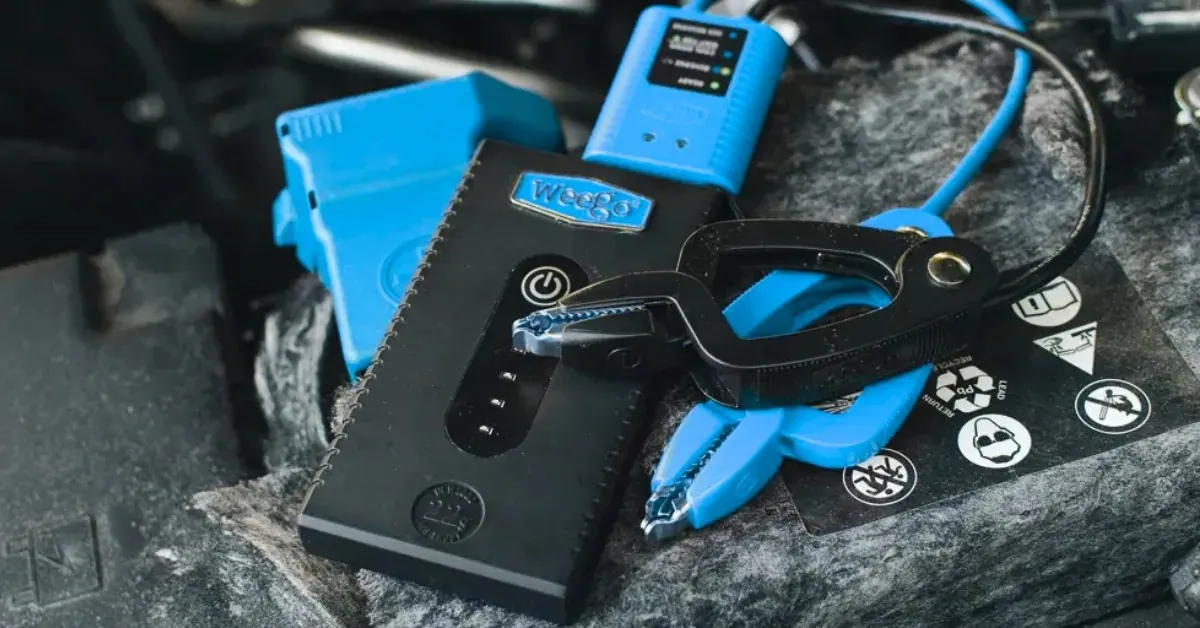
It is a portable power source built to wake up a flat battery on the spot. A normal charger feeds current in slowly over hours; a jumper instead pushes one strong surge through the leads, enough for the starter motor to crank and the engine to fire straight away.
Plenty of models do more than that. You will find units that also work as a trickle charger, a torch or a USB power bank for your phone. That versatility is worth having here, where heat, long motorway runs and ageing batteries all cause surprise breakdowns.
A jumper fixes the moment, not the cause. If the battery keeps going flat, the problem may sit with the charging system rather than the battery, and the alternator may need attention through car alternator & dynamo repair.
The Main Kinds on Sale
Knowing the three broad families makes it easier to match one to your vehicle.
- Jump leads: The most basic and least costly choice. You need a second, running vehicle to borrow power from, and connecting them wrongly can throw sparks or harm the electrics.
- Compact jump packs: Small boxes with their own internal cell, so no donor car is needed. They suit anyone who might break down far from help, and many add USB sockets, a torch or a tyre inflator.
- Heavy-duty units: Made for SUVs, pick-ups and commercial vehicles. They deliver more peak amps for big engines and usually carry several layers of protection.
Which one fits you comes down to the size of the vehicle, how often you expect to use it, and whether you would rather sort things yourself or phone for help.
Specifications Worth Checking Before You Pay
Quality varies a lot. For a unit you will rely on in a crisis, check the following:
- Peak current: The more peak amps, the more muscle for larger engines.
- Chemistry support: Confirm it can handle lead-acid, AGM and lithium batteries.
- Built-in protection: Guards against reversed clamps, excess current and short circuits.
- Size and weight: A small, light pack is simpler to keep in the boot or glovebox.
- Added extras: A USB outlet, torch or compressor can make a bad night much easier.
- Build quality: It should survive high temperatures and the odd knock, since UAE summers are harsh on anything left in a car.
A unit that ticks these boxes should start the car when it counts without putting the wiring at risk.
Connecting a Jumper the Safe Way
Correct handling matters as much as the purchase itself. Work through this order to stay out of trouble:
- Switch off the ignition, lights, air conditioning and anything else drawing power.
- Fix the red clamp onto the positive (+) post.
- Fix the black clamp onto the negative (–) post, or onto bare, earthed metal on the engine or body.
- Power the unit on and give it a few seconds.
- Try the ignition. If nothing happens, pause for one minute before the next attempt.
- Take the clamps off in the opposite order: black comes off before red.
When in doubt, a jumpstart callout or a roadside assistance crew is the safer route. Get the connection wrong and you risk sparks, burnt-out electrics or an injury.
Why UAE Drivers Should Carry One
Heat wears batteries down faster here, and the long stretches between cities make a breakdown more than an annoyance. A dependable pack in the boot covers you on the school run and on a desert trip alike.
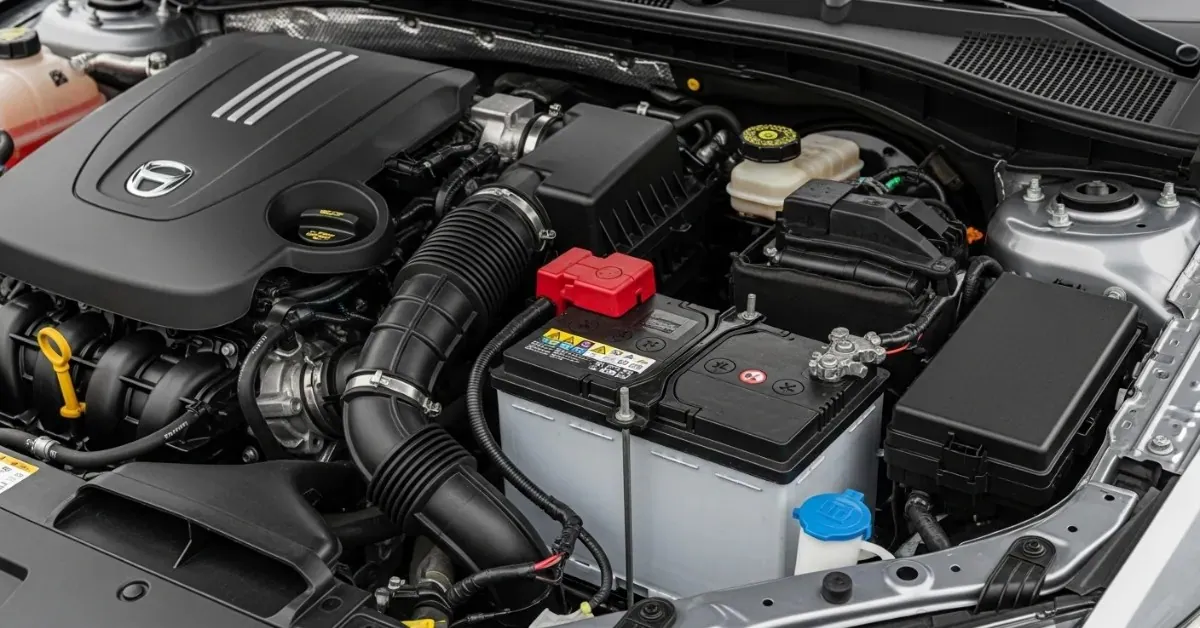
Owning one is not a substitute for looking after the car battery itself. Check the battery, the terminals and the alternator from time to time. If the car refuses to start again and again, it needs a workshop, and car recovery in Dubai or a car towing service can move it there without adding to the damage.
A Good Jumper Needs a Good Battery
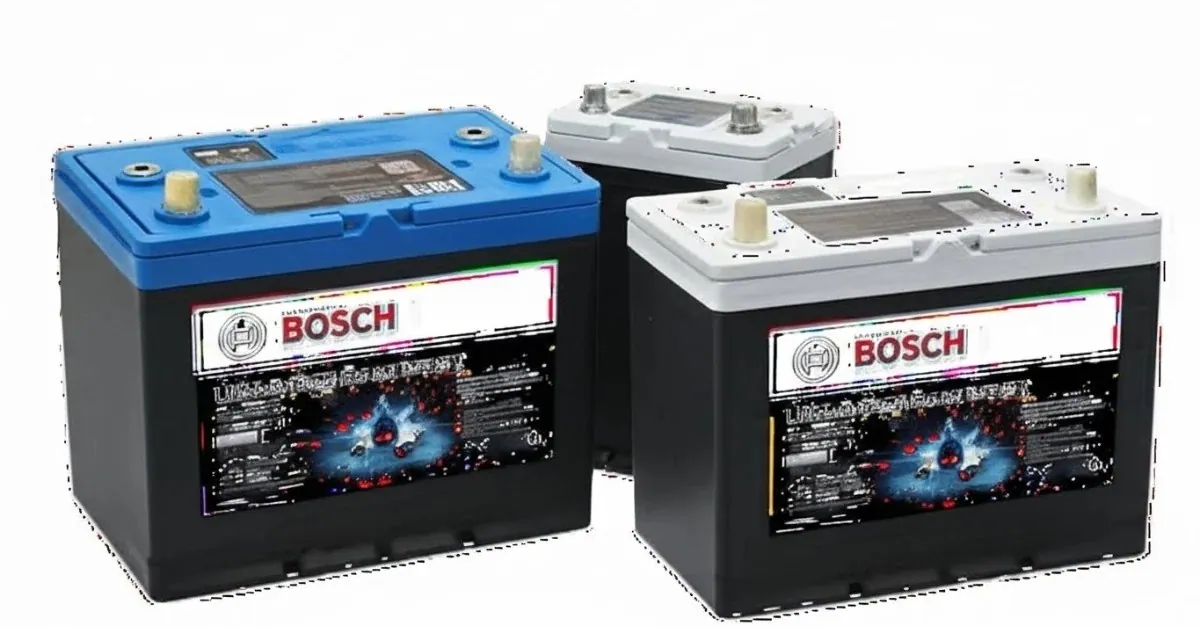
Any jump pack gives better results when the battery it is helping is in decent shape. AGM and lithium types cope with local temperatures better and keep their charge for longer. Clean, tightly fitted terminals help as well.
A tired or damaged battery will keep failing however often you boost it. Routine testing, along with car alternator & dynamo repair when the charging side is at fault, heads off breakdowns and keeps every start a safe one.
Practical Advice From Local Drivers
Scorching summers, big distances and few stops all shorten battery life. Drivers who have been caught out suggest:
- Leave a charged jump pack in the vehicle at all times.
- Try it out at home or in a quiet car park before you need it for real.
- Use it alongside regular inspections of the battery and alternator, not instead of them.
Buyer's Checklist
Run through these points before you hand over any money:
- Peak amps: Enough for the engine size in your vehicle.
- Battery types: Suitable for lead-acid, AGM and lithium.
- Protection: Polarity reversal and overcurrent safeguards built in.
- Storage: Light and small enough to keep in the car without fuss.
- Extras: A torch or USB charging can help when stuck at night.
- Toughness: Able to take heat and a bit of rough treatment on local roads.
Tick all six and you will have spent your money on something that works on the day it is needed.
Step-by-Step Jump-Starting Without Risk
Even a top-quality pack can hurt you or the car if it is misused. Stick to this sequence:
- Make sure the engine and every electrical accessory are off.
- Clip red to the terminal marked positive (+).
- Clip black to the terminal marked negative (–), or to a solid earth point on the chassis.
- Switch the pack on and let it settle for a few seconds.
- Crank the engine. No luck? Leave it one minute, then try again.
- Unclip in reverse: black off first, red off last.
Not confident? A trained technician will do it safely and spare the car any harm.
The Short Version
For UAE motorists, the right jump starter is sensible kit. Learn the kinds, the specifications that count and the connection order. Pair it with a sound battery, look after both, and know who to ring when it is beyond a DIY fix.
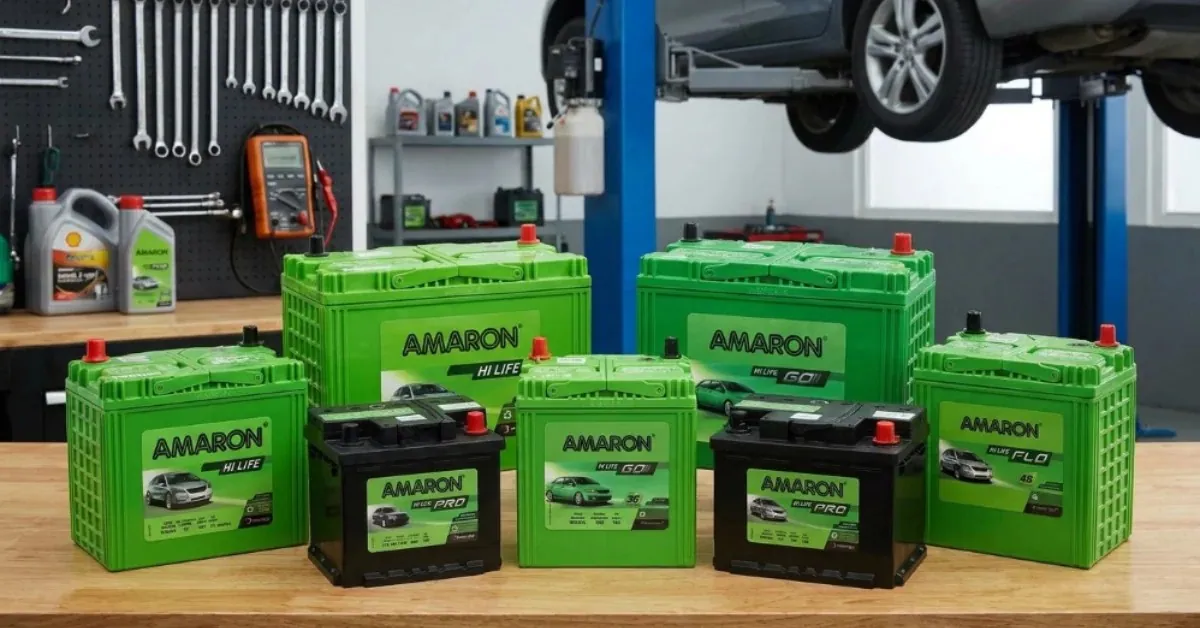
Carry a reliable pack and know where to get battery replacement and fitting, and a sudden breakdown becomes far less daunting. Preparation protects you and the vehicle on every drive.
Our advice is always the same: good equipment, careful handling and expert help when you need it are what keep you safe at the roadside.
Battery trouble in Dubai? We come to you.
On-site testing, replacement and roadside help, 24/7 across the city.