The short answer
A flat battery is among the most frequent reasons a car stops without warning, and it can happen on your driveway, at a supermarket or halfway along a jammed road. A booster is a straightforward gadget that gets the engine turning when the battery has run out of energy.
Drivers ask us all the time whether these units are safe and what the correct way to use them is.
Below we cover them in plain terms: what they are, how they do their job, the safe routine for using one, and the moments when a technician is the smarter call.
What Exactly Is a Battery Booster Charger?
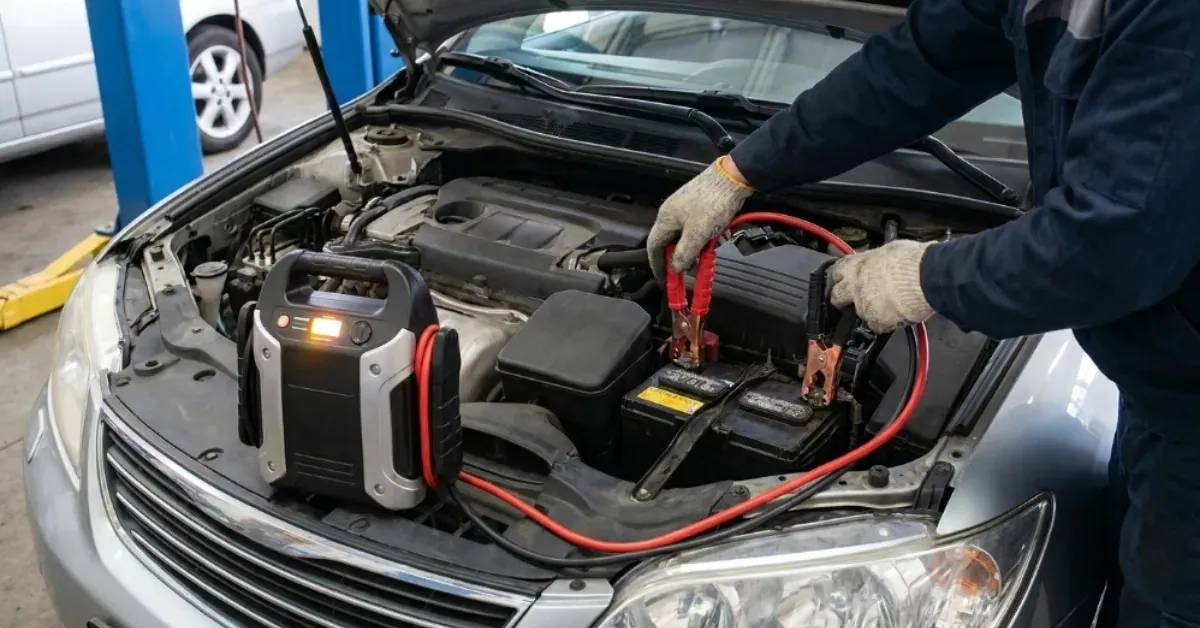
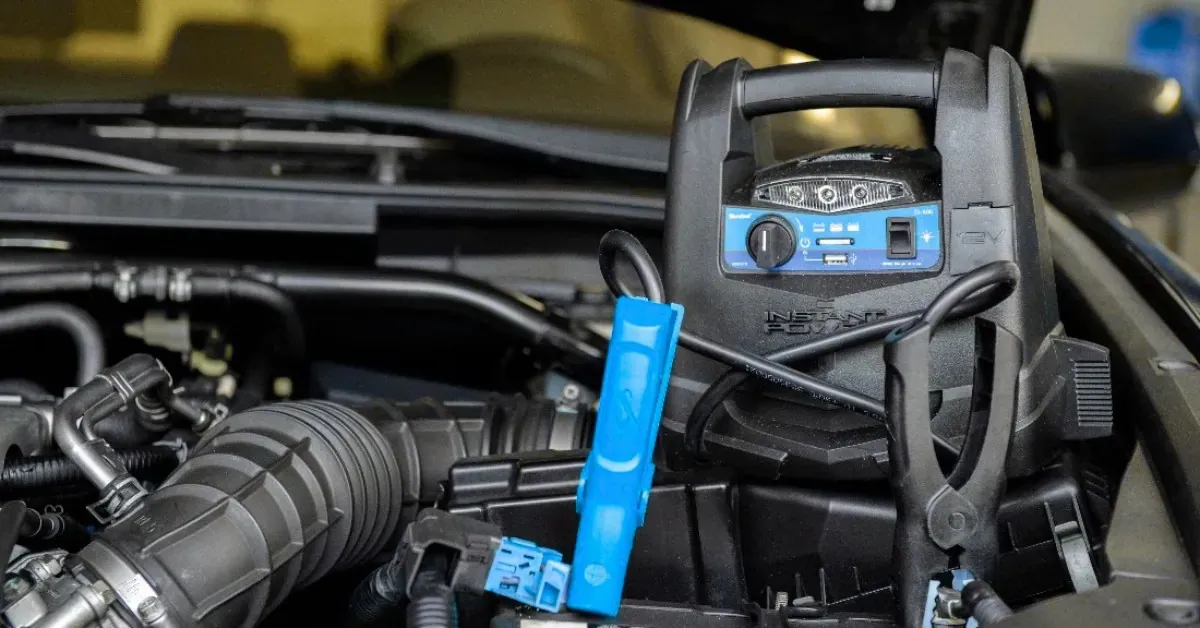
It is a handheld power pack built to get a car started when its battery is low or completely drained. The unit holds enough stored energy to spin the engine over so the car will run again.
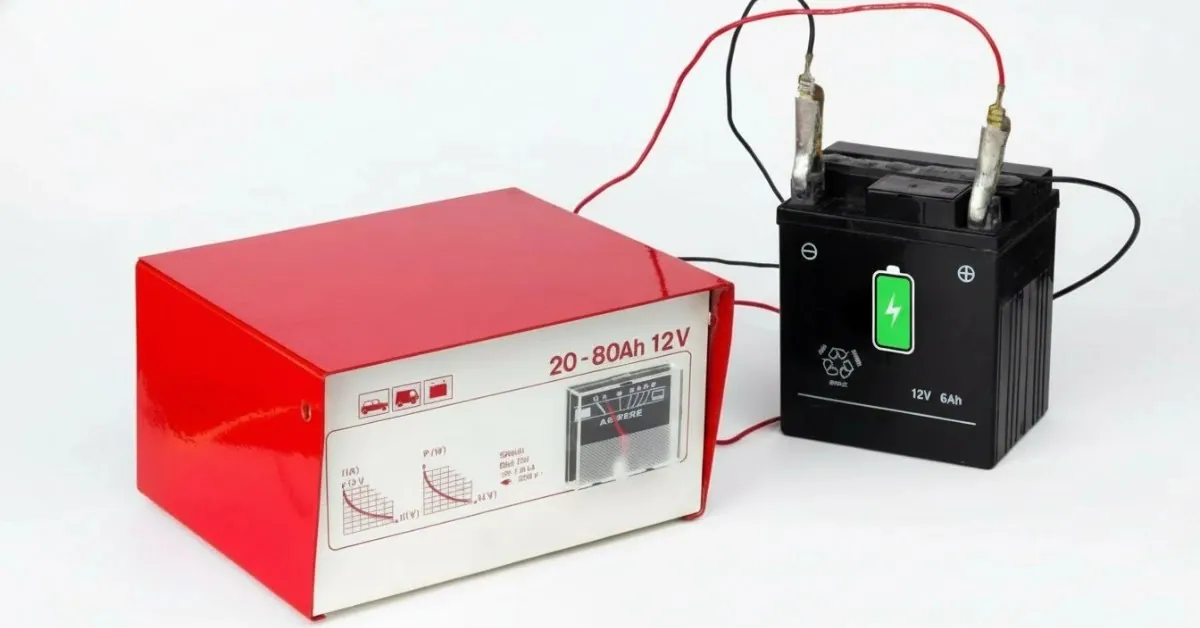
People often mix the two up with ordinary chargers. The booster hands over a fast burst of energy to crank the engine, whereas a charger refills the battery bit by bit over a period of hours.
Plenty of current models do both jobs, which suits everyday motorists and emergencies alike. They are small, fit neatly in the boot, and come into their own when the car lets you down unexpectedly.
What Happens When You Boost
The pack sends its stored charge straight into the battery. That short-lived top-up lets the starter spin and fire the engine. From then on, the alternator picks up the work and starts putting charge back in as you drive.
A healthy battery will keep the car going with no further trouble. One that can no longer hold charge may let the engine die again, and in that case the boost has only bought you time. The battery needs checking.
Situations Where a Boost Is the Right Move
It earns its keep in ordinary situations such as:
- The car has stood unused for a few days
- A cabin light or the headlamps stayed on
- The weather is extremely hot, which saps batteries across the UAE
- The battery is ageing but has not given up entirely
When the engine stays silent after a boost, booking a jump-start callout is usually wiser than trying again and again, since each attempt risks the battery or the electronics.
Boosting Safely: The Routine to Follow
Doing it in the right order protects you and protects the car.
- Switch off the engine and every electrical load
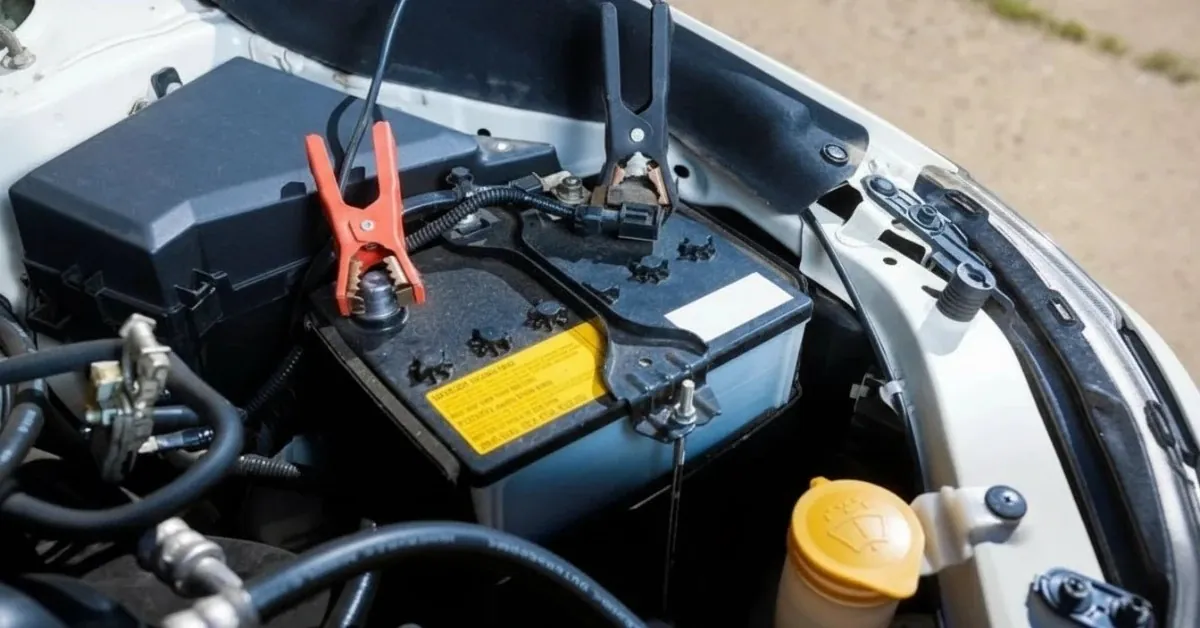
- Fix the red clamp to the battery's positive post
- Clip the black lead to the negative post or to bare metal as an earth
- Switch the pack on
- Wait a few seconds, then try the ignition
- Take the clamps off with care, black before red
Two failed attempts means stop and think again. Pressing on without proper checks risks harm to the car, and a roadside assistance team can deal with it safely.
Mistakes That Put People and Cars at Risk
A lot of battery trouble comes from small errors with big consequences. Clamps fitted the wrong way round, clamps allowed to touch each other, or a boost given to a damaged battery can all produce sparks or fry electrics. Never boost a battery that is leaking or has a swollen case.
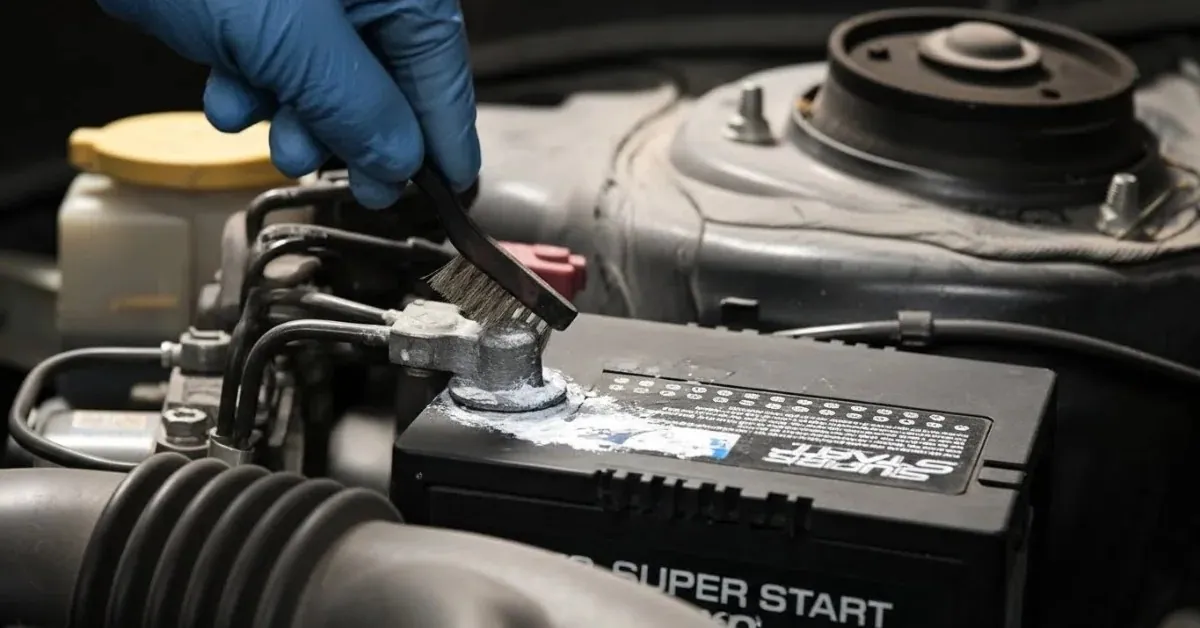
An odd smell, visible corrosion or obvious damage is your signal to stop at once and have the car towed to a safe workshop rather than attempting to boost it.
Doing It Yourself or Calling a Technician
Which way to go depends on what you are facing.
The pack is a good fit if:
- The battery is only a little low
- The car's electronics are fairly simple
- You feel comfortable handling the unit
A technician is the better option if:
- The battery is totally flat
- The vehicle carries sophisticated electronics
- You are not sure how to connect it safely
Needing a boost again and again often means something deeper is wrong and a proper inspection is due.
When Boosting Will Not Solve It
A car that fires up after a boost and then cuts out soon afterwards may have a fault beyond the battery. On the move, it is the alternator that keeps the battery charged, and if that has failed the battery just keeps draining.
At that point an alternator and dynamo repair is what stops the breakdowns from repeating and the battery from being ruined.
Could a Booster Damage the Car?
Used correctly, these packs are generally safe. Trouble starts when the wrong voltage goes in or the safety steps get skipped. Modern cars depend on delicate electronics, and a careless boost can bring on warning lights, fault codes or failed parts.
If you have doubts about the state of the battery or the wiring, a recovery service removes the risk and makes sure the car is handled properly.
Useful Extras on Newer Packs
Many recent packs add features that make them safer and handier. Circuitry inside the pack blocks reversed polarity and overcharging, and some also carry a torch, USB sockets and a gauge showing battery health.
These come in useful for breakdowns after dark, or for keeping your phone alive until the rescue van turns up.
Looking After the Battery So You Boost Less
Reaching for the pack often is a sign the battery is already struggling. Simple habits extend its life and cut emergencies.
Driving regularly lets a car battery recover its full charge. Switching electrics off before you kill the engine saves energy too. Having it checked from time to time, particularly in a climate as hot as the UAE's, helps you avoid a sudden failure.
If the car runs dry of fuel while you are working out the fault, a fuel delivery gets it going again without further delay.
Summing Up
Handled properly, a battery booster charger is a genuinely useful thing to keep in the car. It lets you deal with small battery problems yourself and get moving again fast, though it will not fix everything.
Knowing how the pack works, sticking to the safe routine and spotting the warning signs will save you damage and worry. When a boost falls short, a trained technician keeps the car safe and dependable.
For straight advice and battery help, we put safe methods, accurate diagnosis and reliable support first.
Battery trouble in Dubai? We come to you.
On-site testing, replacement and roadside help, 24/7 across the city.