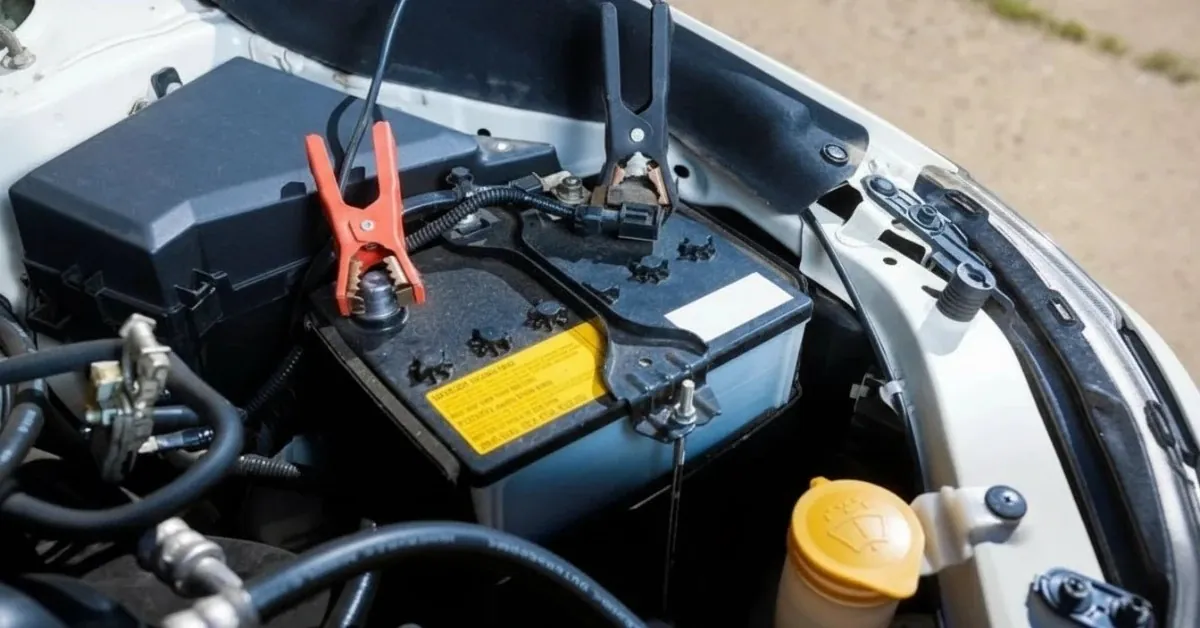
The short answer
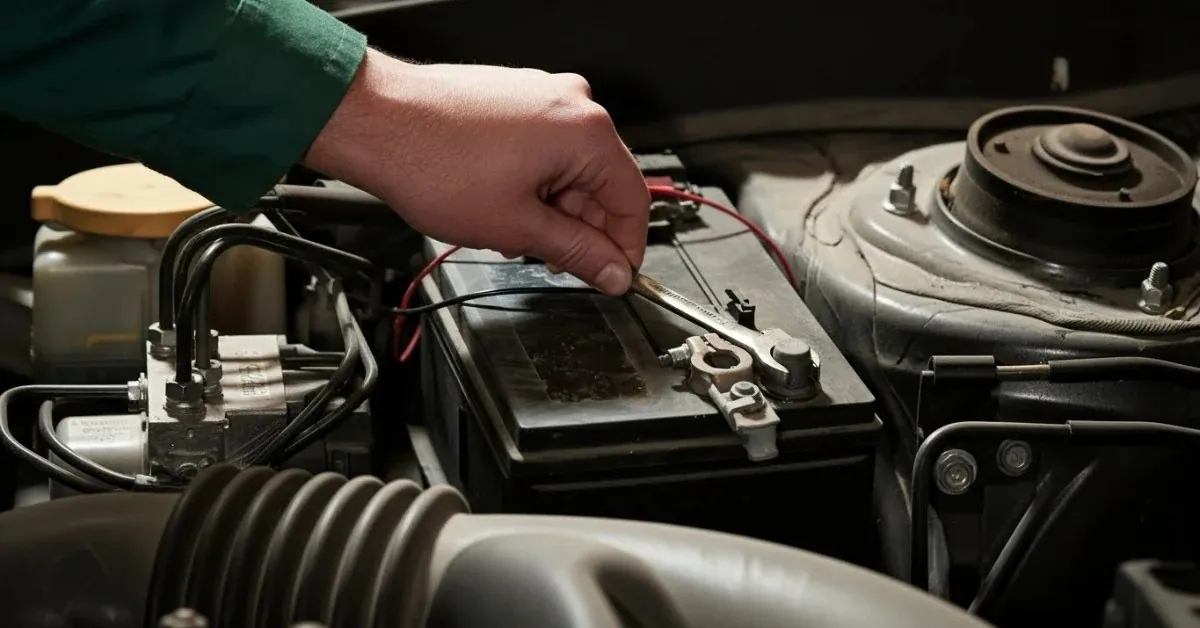
Batteries have a habit of going flat at the worst moment. When it happens, one question comes up again and again: is it all right to top the battery up while you sit in the driver's seat?
Sometimes yes, but it hinges on the method and the battery's condition. Below we set it out plainly, so you stay safe and the car comes to no harm.
What Counts as Charging With the Battery Still Fitted?
Topping up a battery that stays in place normally means one of three things:
- The engine runs and the alternator refills it
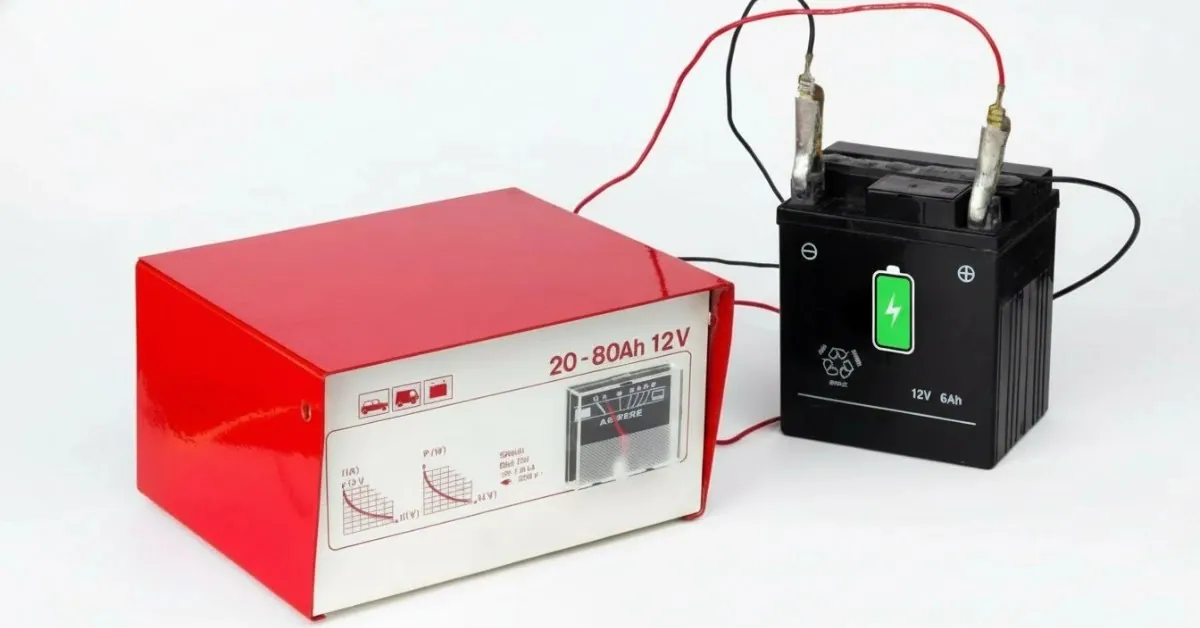
- A plug-in charger is clipped on with the battery left in its tray
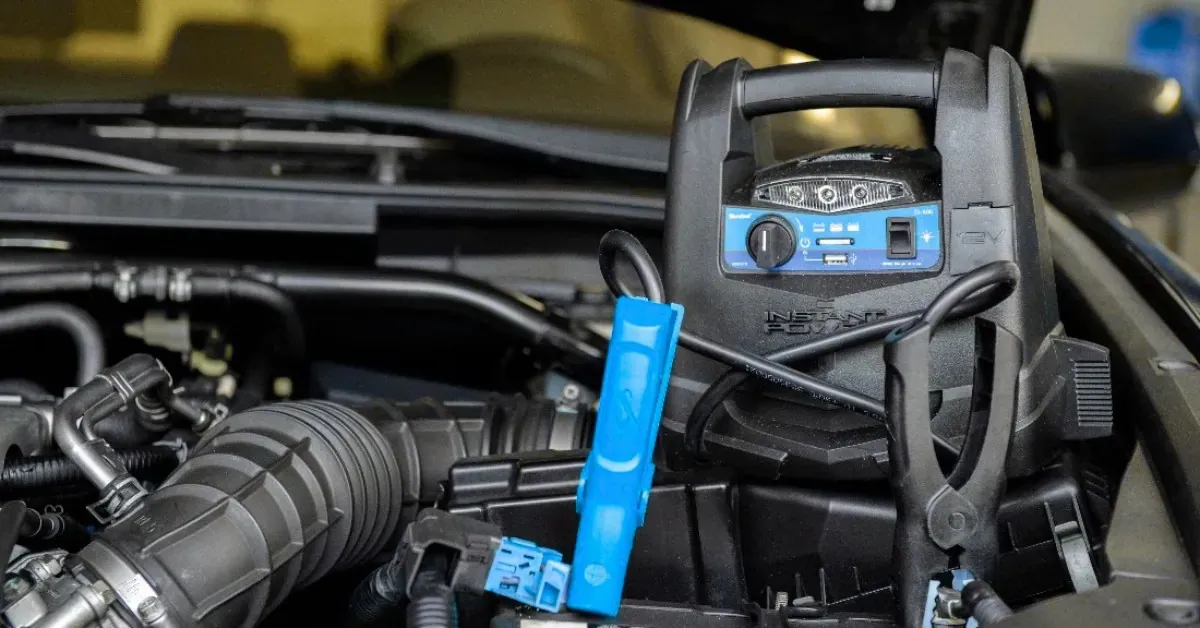
- A second car gives it a jump-start
They work in different ways, and they do not all carry the same risk.
Letting the Engine Do the Work
With the engine running, the alternator tops the battery up by itself. That is routine and perfectly safe.
It only does the job properly when:
- The alternator is in good order
- The battery has not failed outright
- The drive has lasted long enough
A few minutes of driving will not restore a weak battery, which is why many drivers keep hitting the same problem despite daily use.
When a battery goes flat time after time, the battery itself may be innocent. The alternator could be to blame, and repairing it fixes the cause rather than the symptom.
Clipping On a Charger Without Removing the Battery
You can leave the battery where it is and connect a portable charger, but do it safely.
Conditions that keep it safe:
- The unit is made for automotive batteries
- The ignition is off
- Air can move freely around the car
Things that make it dangerous:
- Bargain or damaged units
- Sparking close to the terminals
- Pushing too much charge into an old battery
Newer chargers generally cut out by themselves when the battery is full. Older ones may keep going, which raises the chance of overheating.
Should You Stay Seated Inside During Charging?
It is possible, though we would advise against it.
The reasons:
- A charging battery can give off gas
- Bad wiring can throw sparks
- It can overheat with no warning at all
You are safer standing outside and checking in on it every so often.
Jump-Starts: The Situation Most Drivers Meet
A jump-start is the method most people fall back on to revive a battery without removing it.
What it does and does not do:
- Supplies enough energy for the engine to fire
- Leaves the battery far from fully charged
- Serves only as a stopgap
After the engine fires, drive on for a minimum of 20–30 minutes. If it goes flat again soon afterwards, the battery is probably nearly worn out.
In that case a professional jump-start crew is safer than flagging down a passing stranger.
When You Should Not Charge at All
Leave the charger in its box if:
- Fluid is seeping from the battery
- It gives off a sulphur or scorched smell
- The case has bulged
- The battery is well past its prime
Any of those means replacement, not charging. Forcing current into a damaged unit invites a breakdown on the road and can even harm parts around it.
Why Batteries Give Out Sooner Than Expected
A handful of everyday habits cut battery life short:
- Short trips day after day
- Lights or screens left running
- Long spells parked
- Intense heat
Here in the UAE, heat ranks among the main reasons a car battery dies young, which is why a car that behaved yesterday can fail this morning.
If a dead battery leaves you stuck, roadside assistance can get you going again with little fuss.
When the Battery Is Completely Flat
There comes a point where a charger will not cut it. If the engine will not turn at all, you may need more than a top-up.
Depending on where you are, that could mean:
- A jump-start
- A replacement battery
- Moving the car safely on a truck
Stuck in a traffic lane or a car park, towing is often the safest way to avoid making things worse.
Topping Up or Replacing: How to Tell
Charging is enough when:
- The battery is otherwise in good health
- It was flattened by accident
A new one is due when:
- It goes flat again and again
- It is more than 2–3 years old
- It will not keep its charge
Putting off a replacement tends to end with the car dying somewhere awkward.
Problems That Tend to Arrive Together
A flat battery often brings company, and drivers regularly face two issues at once.
Typical pairings:
- A dead battery and an empty tank, so fuel delivery is needed
- A dead battery plus a puncture, calling for a tyre change
- A dead battery a long way from home, needing car recovery in Dubai
Planning for these cuts down on lost time and frustration.
Quick Safety Rules
- No smoking anywhere near a battery on charge
- Keep your hands off the terminals during charging
- Use the correct leads and a suitable charger
- Disconnect straight away if the battery gets hot
Small precautions like these lower the risk and look after the car.
The Bottom Line
So is it fine to charge a car battery while it stays fitted? Yes, provided it is done properly and with care.
Topping up suits a healthy battery with a one-off problem. When it keeps failing, the true cause may sit deeper, in a tired alternator or simply the battery's age.
Drivers across the UAE are better off with trained help on call. From jump-starts and roadside callouts to a battery replacement fitted where you are, we see to it that you are not left stuck.
Knowing when to leave the charger alone matters just as much as knowing how to use it.
Battery trouble in Dubai? We come to you.
On-site testing, replacement and roadside help, 24/7 across the city.