
The short answer
Everything electrical in the car depends on the battery. When its voltage is wrong, the engine may refuse to turn over, the electronics can misbehave and you may end up stuck without warning. So which figure should you be seeing? Below are the healthy ranges, the symptoms of a problem and the help available in Dubai when the charge runs low.
The Numbers Behind a Healthy Battery
Most cars use a 12-volt lead-acid battery, but the reading you get shifts depending on whether the engine is running, how full the battery is and whether anything is drawing power. Knowing the ranges helps you look after it and avoid a sudden breakdown.
- Full charge, engine off: 12.6 volts or more
- Part discharged: 12.4 volts
- Low: 12.0 volts or less
- Engine running: 13.7 to 14.7 volts, as the alternator charges
A lower figure with the engine off is a cue to have things checked. At the other end, more than 15 volts with the engine running suggests the alternator is overcharging, which can harm the battery.
Symptoms of a Voltage Problem
Keeping an eye on the charge level can spare you situations that are awkward or even unsafe. Look out for:
- Sluggish starting: the engine takes longer to crank.
- Weak headlights: the electrics want more power than the battery can give.
- Dashboard warnings: the battery or check engine light comes on.
- Electrical faults: the radio, sensors or infotainment behave oddly.
- Repeated jumpstarts: a sign the battery no longer holds its charge.
Spot any of these and we can send a car jumpstart service or roadside assistance to get you going again quickly.
Taking a Voltage Reading
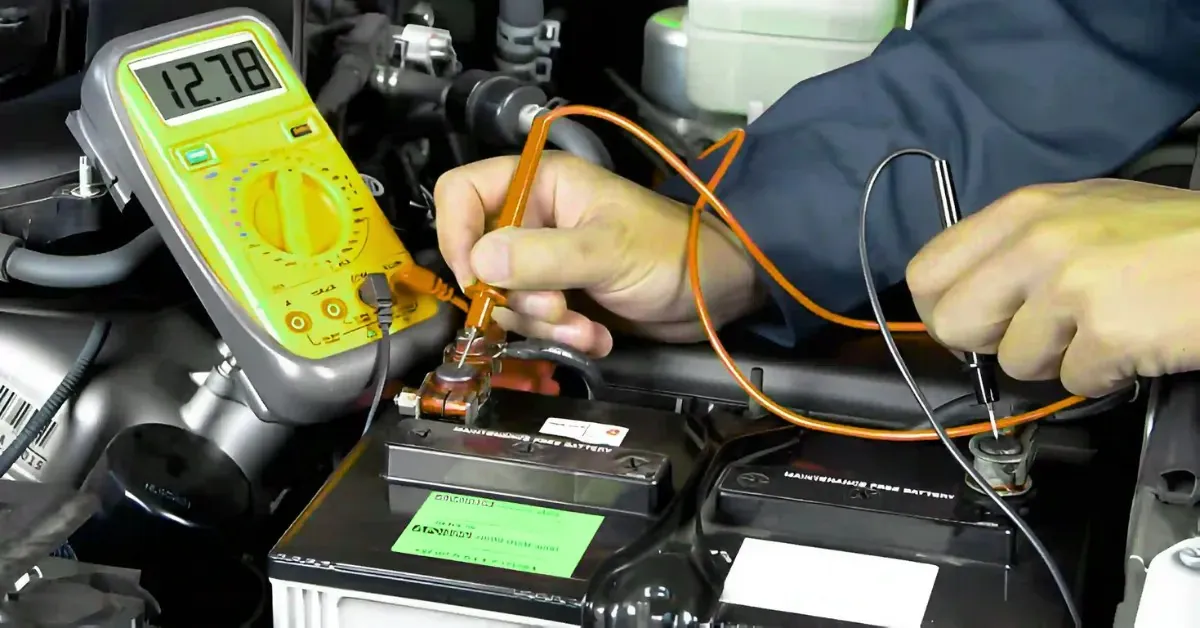
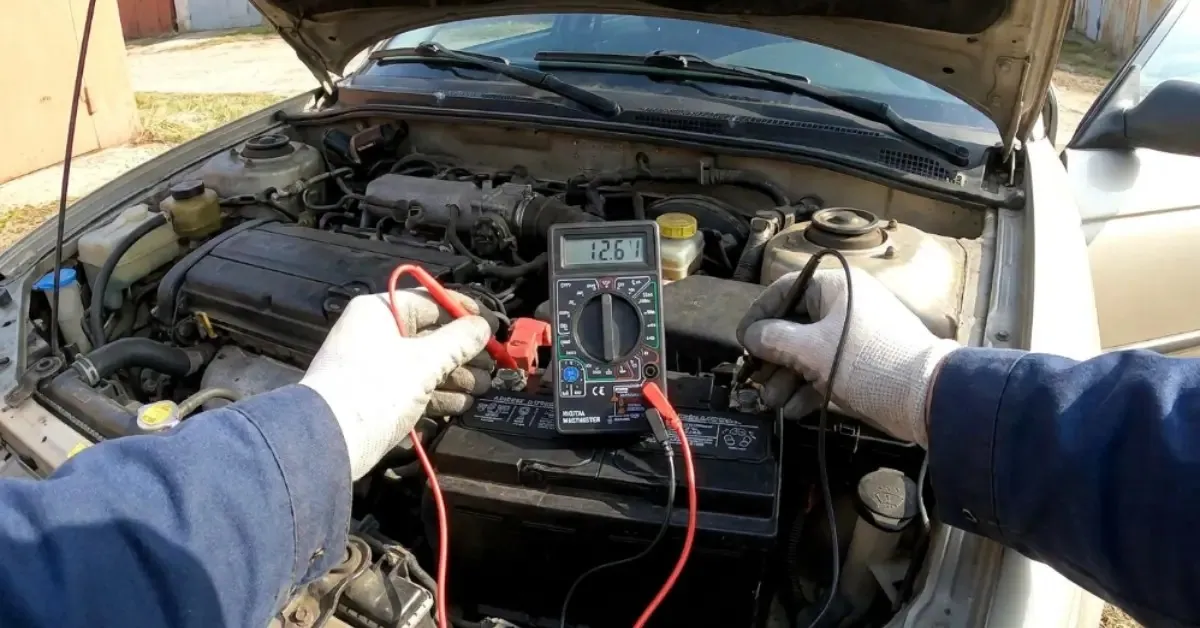
Checking the figure is easy, either at home or by a professional. The steps are:
- Switch the engine off: make sure every accessory is off too.
- Get a digital multimeter: set it to DC volts.
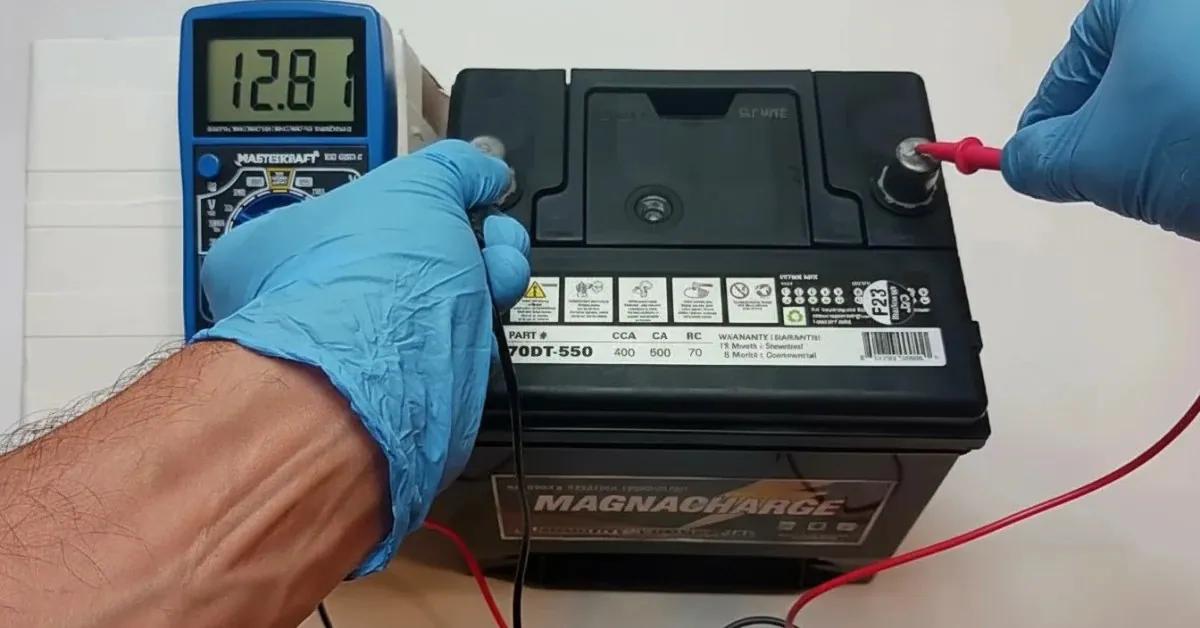
- Attach the probes: red on positive (+), black on negative (-).
- Take the reading: check it against the ranges listed above.
Expect roughly 12.6 volts from a full, sound battery. Less than 12 volts can mean it is discharged or starting to fail.
Keeping the Voltage Where It Should Be
A little care keeps the charge steady and helps the battery last. Some useful habits:
- Do not leave lights or gadgets running with the engine off.
- Use the car often enough to keep the battery topped up.
- Look at the terminals for corrosion and clean them if needed.
- Have the alternator checked, as a faulty one can leave the voltage low.
- Connect a battery maintainer when the car is laid up for weeks.
What Pulls the Voltage Down?
Low readings have a handful of usual causes, and knowing which one applies stops the problem coming back:
- Age: most batteries last 3-5 years.
- Parasitic drain: electronics drawing current while the car is parked.
- Lots of short journeys: too little driving time for the alternator to refill it.
- A failing alternator: the battery cannot charge properly.
- Temperature extremes: severe heat or cold hurts performance.
Dealing with these early keeps you from being stranded. If you do break down, car towing and car recovery in Dubai are dependable fallbacks.
When a Professional Should Take Over
You can sort out some faults yourself, but call in help if:
- The reading stays low even after charging.
- You suspect the alternator or charging system.
- The engine will not start and jumpstarting has not worked.
- The battery is swollen, leaking or crusted with corrosion.
Mobile technicians can respond fast with a jumpstart, a flat tyre change or full roadside help for any battery emergency.
Why Check the Voltage Regularly?
Reading the voltage every so often saves time, money and worry. You gain on four fronts:
- Fewer breakdowns: less chance of being stuck on the road.
- Longer battery life: less risk of it failing early.
- Safer electronics: sensitive systems get the voltage they need.
- Lower repair bills: no alternator or starter damage from running on low voltage.
Put routine checks together with professional help and your car battery stays healthy and the car stays dependable.
To Sum Up
Knowing the right car battery voltage goes a long way towards a reliable car. Expect about 12.6 volts from a full battery at rest and 13.7-14.7 volts with the engine running. Figures well below or above those point to a battery or alternator fault that could leave you stranded if ignored.
In Dubai our team handles alternator repair and roadside callouts and helps you keep the battery in good shape. Frequent readings, sensible upkeep and a professional on call keep a battery going for years.
Battery trouble in Dubai? We come to you.
On-site testing, replacement and roadside help, 24/7 across the city.