The short answer
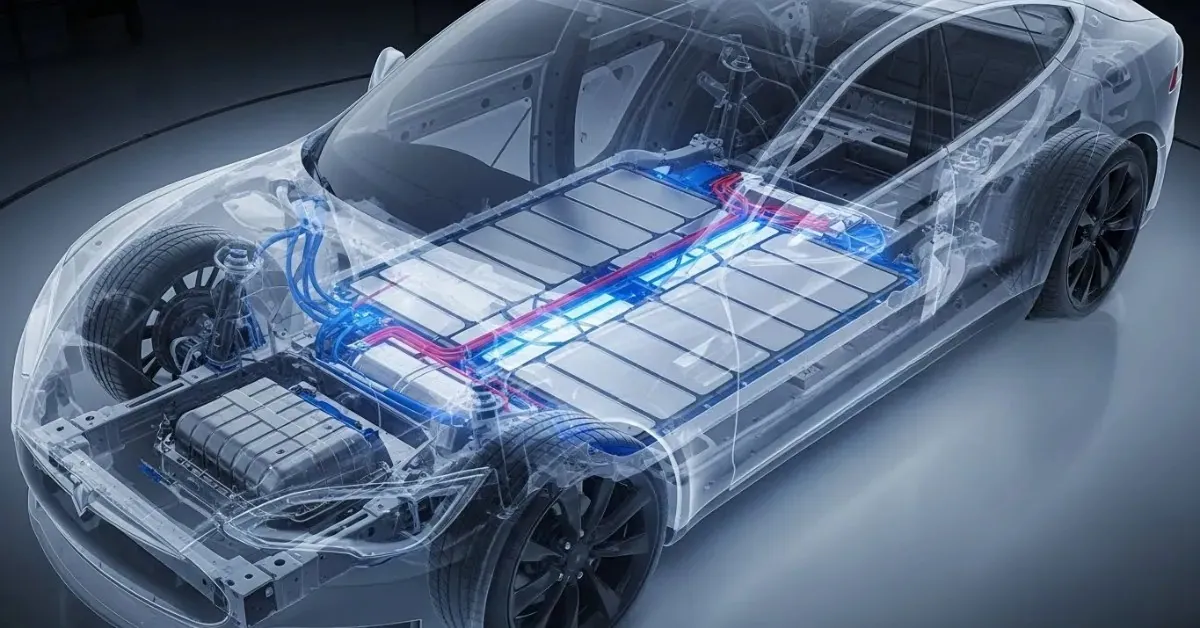
Each Tesla draws its power from a big lithium-ion pack of high capacity, made up of a large number of small cells. Those cells are grouped into modules, and the modules are joined into one big pack that powers the entire car.
Lithium is the heart of it, but the full picture has a few more layers. If you have wondered what sort of cells sit under the floor, we set it out here without jargon: the chemistry, how the pack is assembled, why it lasts so long and some easy ways to keep it healthy. Finally, there is advice for a breakdown, when you might need a Car JumpStart Service, a mobile stand-in for fuel delivery, or broader Roadside assistance.
The chemistry in brief
Nearly every Tesla relies on lithium-ion cells. Over time the company has mixed cell formats and chemistries to trade off range, price and durability:
- Nickel-rich lithium-ion (NMC / NCA): these pack a lot of energy into little weight, so you get more range for every kilogram. Many earlier Teslas run on versions of these recipes.
- Lithium Iron Phosphate (LFP): chosen for certain models and markets. For the same energy an LFP cell weighs a little more, but it is safer and copes better with repeated charging over its life.
- The cell layout counts: large numbers of individual cells, cylindrical or prismatic, are grouped into modules, and the pack adds cooling, sensors and safety hardware.
Which chemistry you have depends on the model and the year it was built. Whatever the mix, the aim is the same: decent range, safe operation and a long service life.
From single cell to finished pack
Seeing how the pack is assembled shows why it is both strong and durable:
- Cells: small energy stores, each one essentially a miniature battery.
- Modules: sets of cells wired together, which add structure and make repairs simpler.
- Pack: the modules joined into one complete unit that sits beneath the floor, along with cooling, electronics and safety equipment.
- Battery Management System (BMS): the control centre that watches every cell, runs charging and shields the pack from harm.
With so many cells in play, a handful going bad seldom takes the whole pack down. The BMS keeps them balanced and protected so the car stays safe and dependable.
Which models get which cells?
Tesla revises its cell choices as it goes. Broadly:
- Base versions, plus certain recent factory lines, now use LFP for steady ageing and a lower price.
- Long Range and Performance versions tend to use denser chemistries to squeeze out the most miles from each charge.
For the exact chemistry in your own car, check the owner's manual or ask our team to identify it.
How long the cells last and how they age
No battery is immortal, but these packs are made to serve for a long time:
- Even with tens of thousands of miles behind them, most keep the bulk of their capacity.
- Wear is slow, so the range shrinks only a little at a time as the years pass.
- Things that hurry it along: intense heat, constant fast charging and filling to 100% every day.
A little care and sensible charging can add a good deal to battery life.
Charging habits that protect the cells
Small routines have a big effect. Try these:
- Everyday limit: set the daily target to 80–90% and save 100% for long journeys.
- Do not run it flat: taking the pack to 0% often is hard on it, while staying within 20%–80% treats the cells more gently.
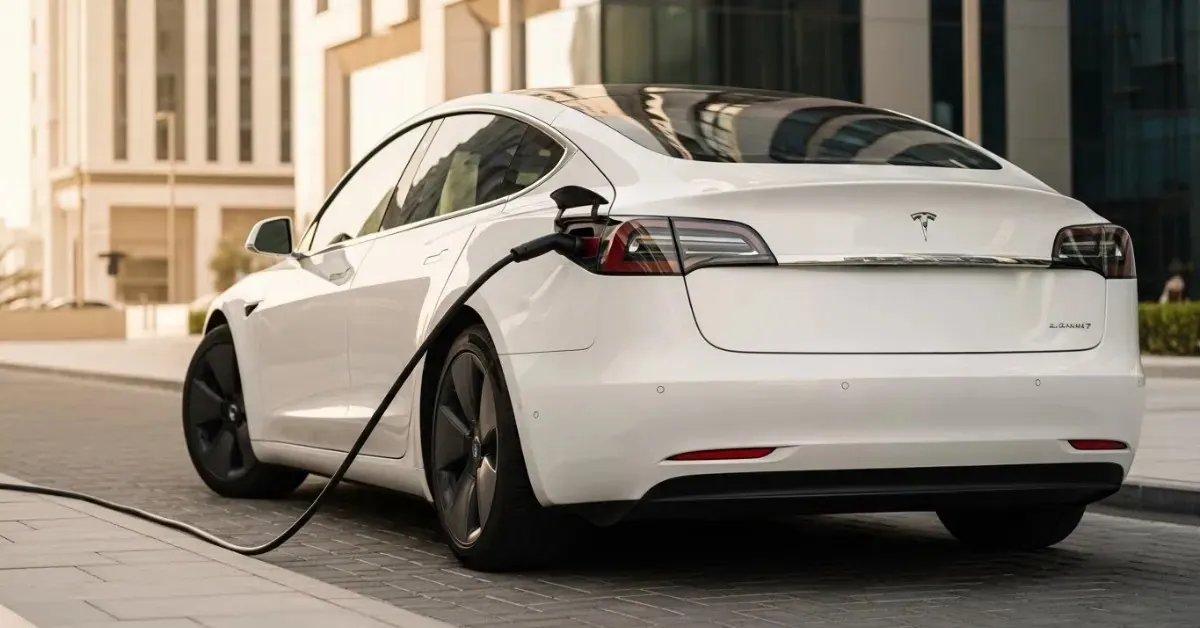
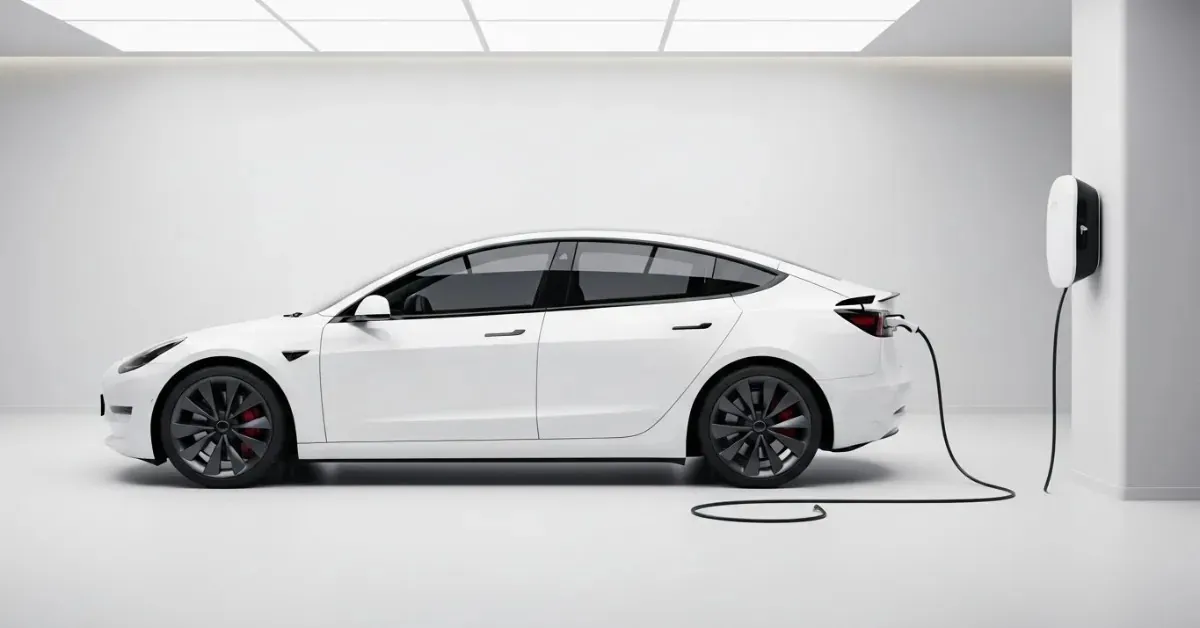
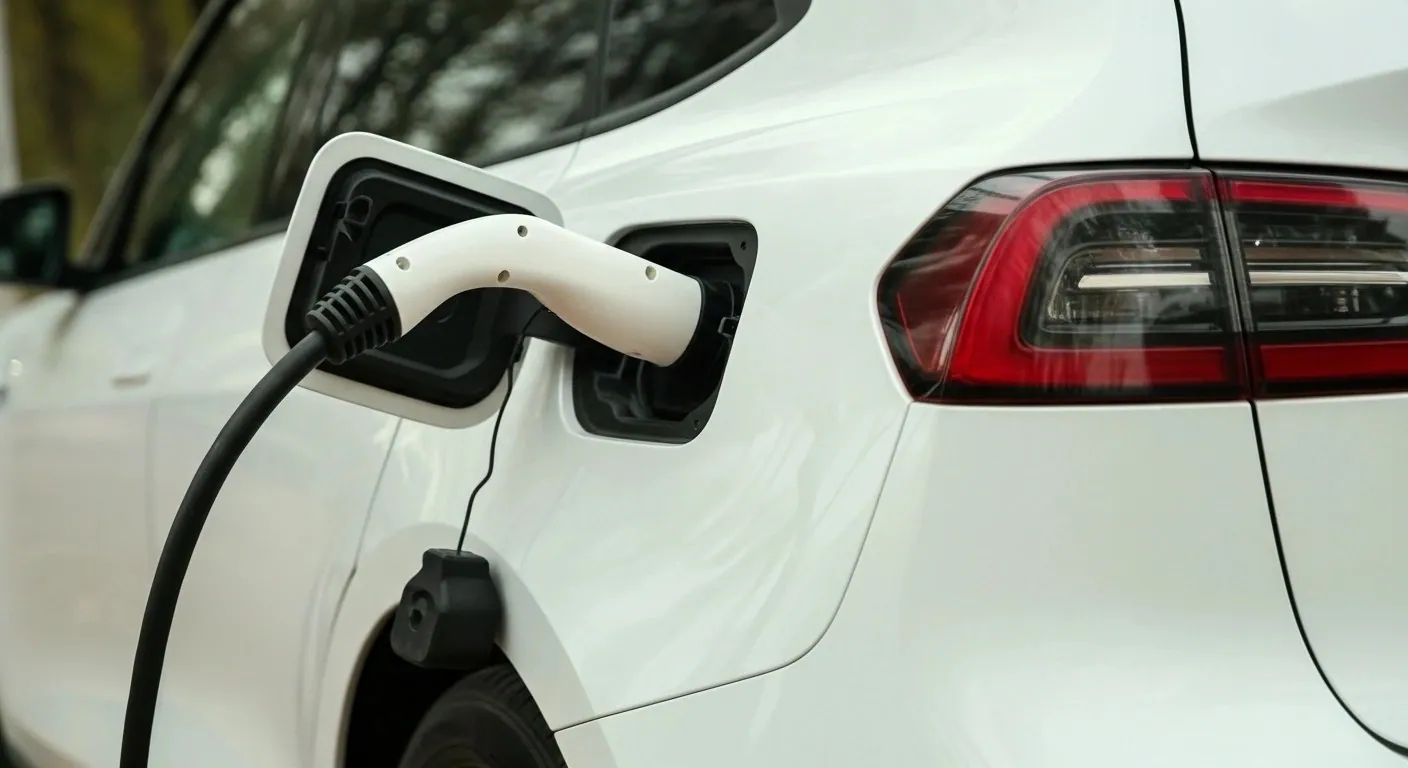
- Top up slowly: a home wallbox or other Level 2 charger is easier on the pack than fast charging every time.
- Keep it cool when parked: heat speeds up wear, so shade or a covered space helps in hot countries.
Follow them and the pack stays in better health, lasts longer and loses less range over the years.
The safety systems inside the pack
Several layers of protection are built in:
- Thermal management: holds the cells at their ideal temperature.
- Fuses and isolators: cut off the affected section if something goes wrong.
- Crash protection: the car's structure surrounds and shields the pack.
- Monitoring: the BMS tracks voltage, temperature and state of charge in every cell to prevent damage.
Together they go a long way to explaining why EVs are safe and dependable.
What to do if you break down
Good care does not rule out a roadside problem, so it is worth knowing who you can call nearby:
- Car JumpStart Service: jumping an EV is not the same as a petrol car, but a trained crew can pin down if the small 12V unit or the main pack is to blame and act accordingly.
- Mobile charging in place of fuel delivery: petrol cars get fuel brought to them, while an EV can be given a small mobile charge or towed to the closest charger, which is the electric equivalent.
- Roadside assistance: a full service covers towing, battery checks, lockouts, tyre trouble and more. Check the provider knows how to handle EVs.
When in doubt, ring a crew with EV experience so the car is handled properly, whether it needs a boost or a car battery test.
Recycling and the environment
A worn-out pack is not simply dumped. It is recycled and its parts recovered: makers and recycling firms pull out valuable metals and materials, cutting waste and reducing the need for fresh mining. Both the batteries and the recycling methods keep getting better.
Questions owners often ask
- Can single cells be changed rather than the whole pack? In many cases a technician can repair or swap individual modules or cells without replacing everything.
- How many years will a pack give? Looked after well, a long time, often 8+ years with plenty of usable capacity remaining.
- Does software make a difference? It does. Updates can refine charging control and improve battery health.
Got a particular model or worry in mind? We can give advice that fits your car.
How we can help
Batteries and their upkeep are what we do. We help owners weigh up their choices, from basic maintenance advice to directing them to dependable roadside help such as a Car JumpStart Service, mobile charging in place of fuel delivery, and complete Roadside assistance if things go wrong. We keep the explanations simple so you can decide quickly.
Last tips for a healthy Tesla battery
- Charge sensibly: steer clear of repeated 100% and 0% cycles.
- Leave the car somewhere cool and shaded.
- Charge at home day to day and keep fast charging occasional.
- If you are stranded, pick trained roadside help, because EVs call for specialists.
Would a short checklist or a printable guide for the glovebox help? Our team can put one together. Looking for EV-savvy roadside assistance or a dependable Car JumpStart Service close by? Let us know your city and we will suggest local options that know their way around EVs.
Battery trouble in Dubai? We come to you.
On-site testing, replacement and roadside help, 24/7 across the city.