The short answer
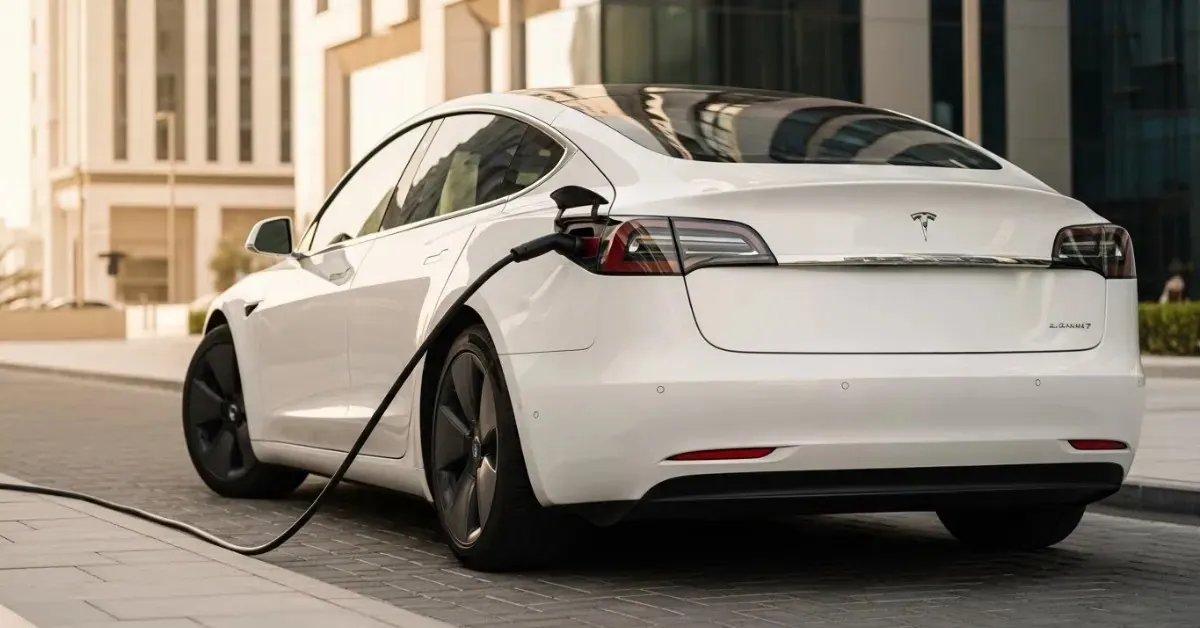
Tesla now stands worldwide for new thinking, strong performance and clean power, and the long-lived battery in every car is one of its biggest selling points. Still, plenty of owners are unsure exactly what the maker will pay for if that battery goes wrong.
This guide lays the cover out in everyday language: how long it runs, what is included, what cancels it and how to get full value from it. There is also a section on what to do when the battery gives out, and how a jumpstart, fuel brought to you or a roadside call-out can rescue a bad day.
How the Cover Is Set Up
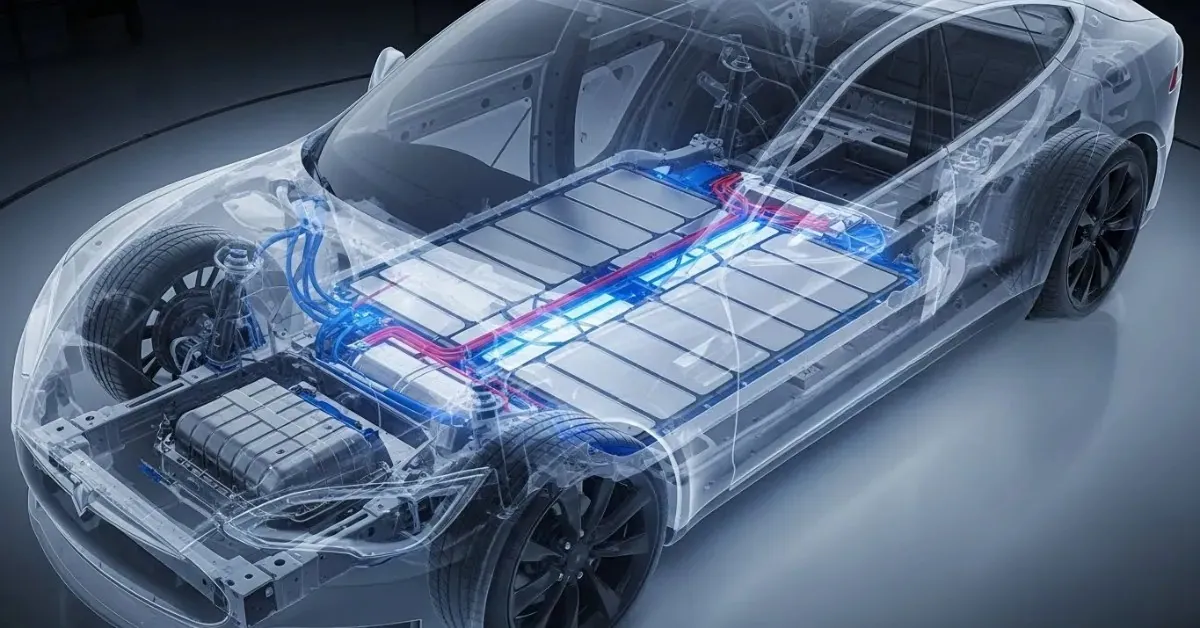
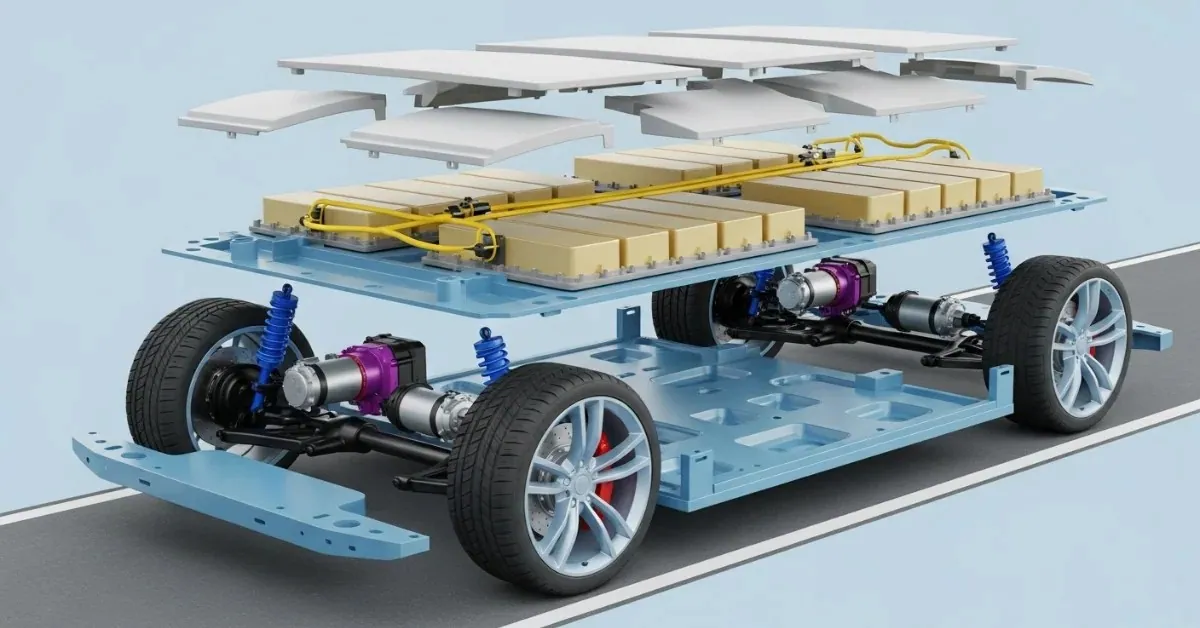
Few EV makers offer cover as generous as Tesla's. It protects the battery and the drive unit, the two most important and most expensive parts of the car.
The terms break down like this:
- Term: 8 years, counted from the day you bought the car.
- Mileage cap: set by the model you drive.
- 100,000 miles for the Model 3 Standard Range (RWD)
- 120,000 miles for the Model 3 Long Range and Performance
- 120,000 miles for the Model Y Long Range and Performance
- 150,000 miles for the Model S and Model X
- 100,000 miles for the Model 3 Standard Range (RWD)
- 120,000 miles for the Model 3 Long Range and Performance
- 120,000 miles for the Model Y Long Range and Performance
- 150,000 miles for the Model S and Model X
- Capacity promise: the pack is guaranteed to keep no less than 70% of its original capacity for the length of the cover.
Put another way, if capacity slips under 70% before you hit either the time or the distance limit, Tesla fixes or replaces the pack at no charge.
What You Are Covered For
The cover exists to reassure owners, and it deals mainly with two things:
- Factory faults:
- Should the battery or drive unit develop a flaw that traces back to how it was made, Tesla puts it right for free.
- Capacity under 70%:
- Should range or stored charge drop below 70% while the cover runs, you can claim a repair or a new pack.
Together these keep the car efficient and long-legged for most of its working life.
What Falls Outside the Cover
Strong as it is, the cover has limits. These cases are excluded:
- Everyday wear:
- All batteries fade a little with age. Tesla only steps in once capacity is under 70%, which it treats as abnormal.
- Accidents and damage:
- Harm caused by a crash, a fire, a flood or towing the car the wrong way is not included.
- Repairs by outsiders:
- Having work done by a service provider Tesla has not authorised can cancel your cover.
- Modifications:
- Changing the battery, the software or the power system against Tesla's guidance can see the cover withdrawn.
- Poor care:
- Ignoring the maker's charging and storage advice can rule you out of a claim.
Why the Cover Is Worth Having
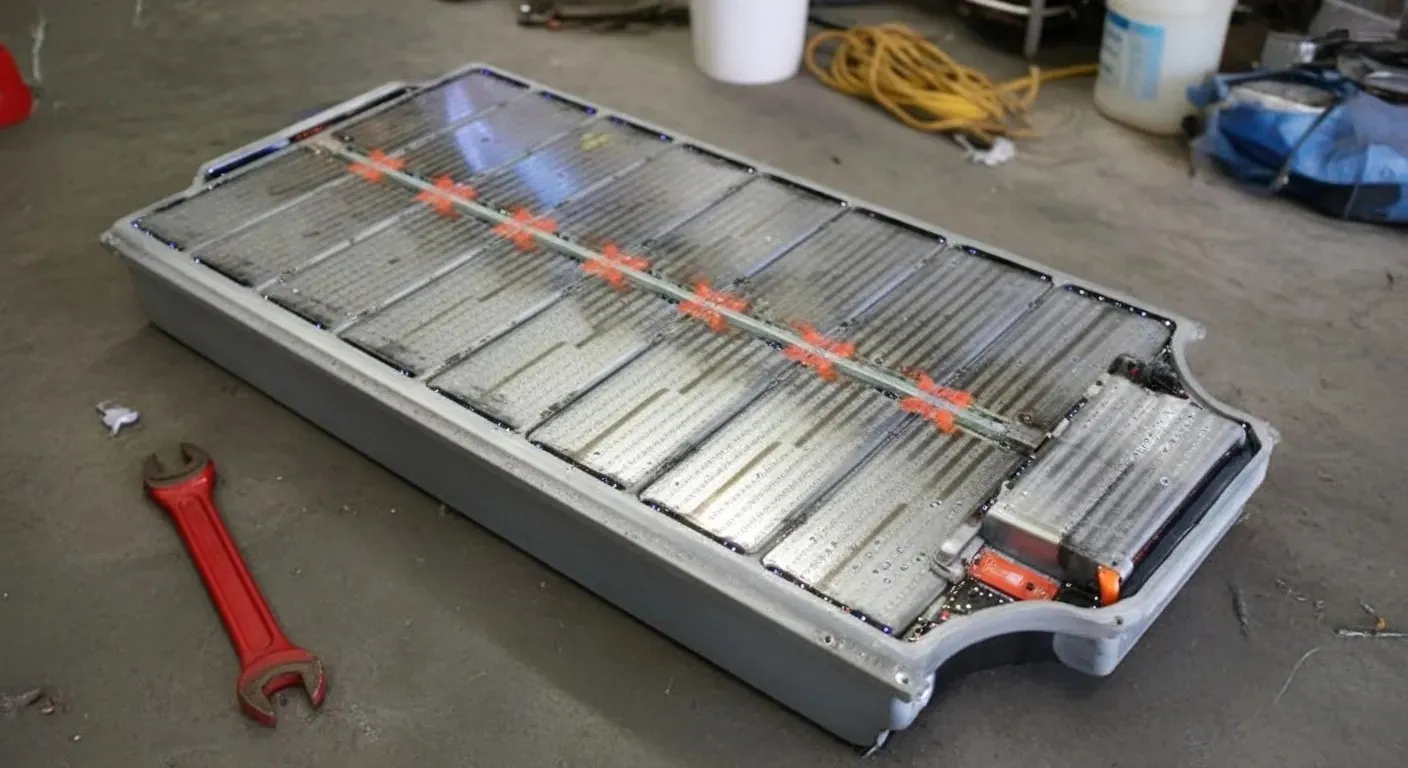
Buying a new pack can run to $10,000–$20,000, varying with the model, which is a sum most owners would do anything to dodge.
The Tesla battery warranty shields you financially if the pack fails early. It also shows how much the maker trusts its cells, which in most cases are engineered to go beyond 300,000 miles.
Shopping for a used Tesla? Find out how much cover is left. A car still inside its term comes with a safety net should anything major go wrong.
Making a Claim, Step by Step
If you suspect the pack is underperforming or has a fault, this is how to put in a claim:
- Confirm the car's age and mileage:
- Check it has not passed 8 years or its mileage cap.
- Book a service visit:
- Use the Tesla app to arrange an appointment. Tesla's technicians will run diagnostics and tell you whether the fault qualifies.
- Explain the symptoms:
- Mention anything you have noticed, such as lost range, slow charging or error messages.
- Let Tesla take it from there:
- If the fault qualifies, the pack is repaired or replaced at no extra charge.
Should the car be undrivable while you wait for the appointment, roadside assistance can help. Tesla provides its own, and if you would like a quicker local response, we can come out and get you moving.
How Long a Tesla Pack Really Lasts
Warranty aside, knowing what to expect from the pack over the years helps you care for the car.
Most packs keep going long after the cover ends. The figures suggest that at 200,000 miles a Tesla battery still holds about 80% of its capacity when new, a strong showing next to most other EVs.
Severe heat, heavy use of fast chargers and running the pack very low can all shorten its life. Tesla's charging advice, such as holding the level between 20% and 80% for everyday driving, helps protect capacity.
When a Jumpstart or Roadside Call-Out Makes Sense
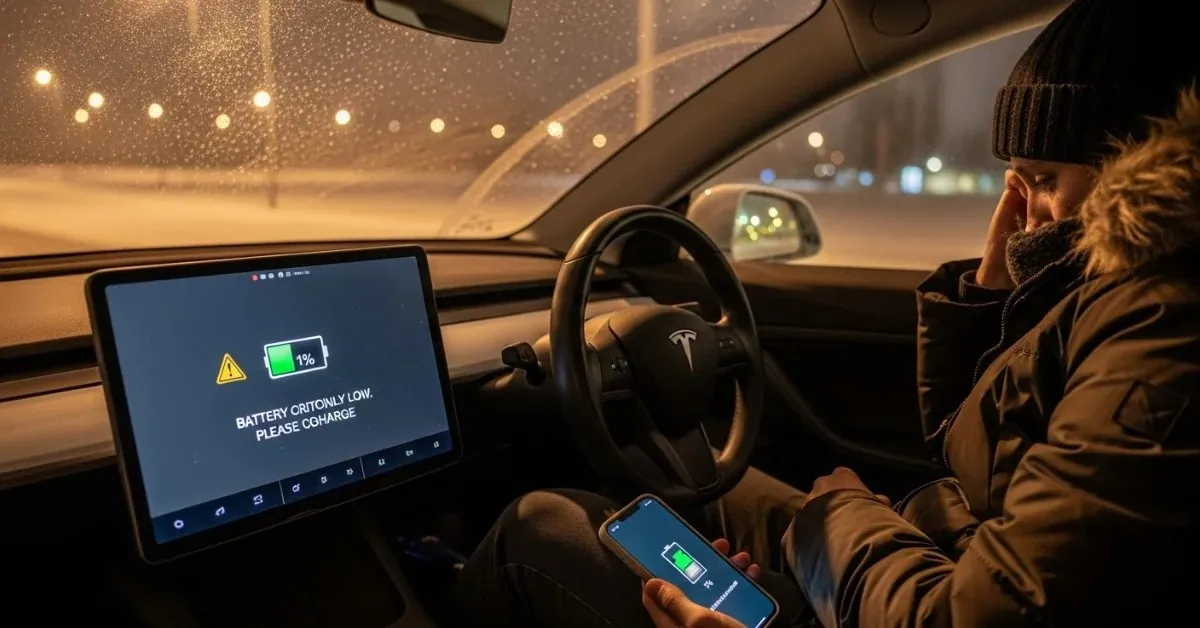
Electric as it is, a Tesla still relies on a small 12-volt auxiliary unit to handle core jobs such as the start-up systems, the lights and the locks. If that little car battery fails, the car may not start or switch on at all.
That is where our Car JumpStart Service comes in. Our technicians boost a Tesla safely, without putting its delicate electronics at risk.
Likewise, if the car stops on the road with a dead battery or a system fault, roadside assistance is the sensible call. We can move the car safely to the closest service centre or charging point.
A Tesla never needs petrol, of course, but hybrid owners and fleet managers may sometimes want Emergency Fuel Delivery for their support vehicles. Having all of this on hand means you are covered whatever happens.
Real-World Examples of How Claims Play Out
Here are a few cases that show how the cover behaves in practice:
- Scenario 1: after five years, the pack has lost 35% of its capacity.
- That leaves it under the 70% threshold, so Tesla repairs or replaces it under the cover.
- Scenario 2: the pack was damaged in a crash.
- The battery cover will not pay for this; your insurer would deal with it.
- Scenario 3: the 12V battery goes flat.
- The high-voltage cover does not include it, but a visit from our Car JumpStart Service will have the car running again.
- Scenario 4: you changed the car's software to squeeze out more performance.
- That could cancel the cover entirely, even for faults that have nothing to do with the change.
Keeping these cases in mind helps you make better choices about upkeep and protecting your cover.
Habits That Help the Pack Go the Distance
Some easy routines do a lot for battery health:
- Skip the daily full charge: 80–90% is plenty for normal use.
- Do not let it sit at 0% or 100% for days on end.
- Go easy on fast charging: use Superchargers now and then and charge at home most of the time.
- Avoid temperature extremes when parking: heat speeds up battery wear.
- Book regular inspections: a yearly check keeps the battery management system in good order.
Stick to these and the pack can serve you long after the cover has expired.
The Takeaway
Tesla's cover ranks among the strongest in the EV world, with 8 years of protection and a promise that the pack will keep 70% of its capacity. It guards you against big repair bills and helps keep the car efficient for years.
Breakdowns can still happen despite that protection, especially with the 12V system or out on the road. That is why every sensible owner keeps numbers saved for Roadside Assistance, Emergency Fuel Delivery and a Car JumpStart Service.
We keep cars charged and running, electric Teslas and petrol models alike. Our team is ready to help whenever you are stranded, out of charge or simply need a quick jump-start.
Battery trouble in Dubai? We come to you.
On-site testing, replacement and roadside help, 24/7 across the city.