The short answer
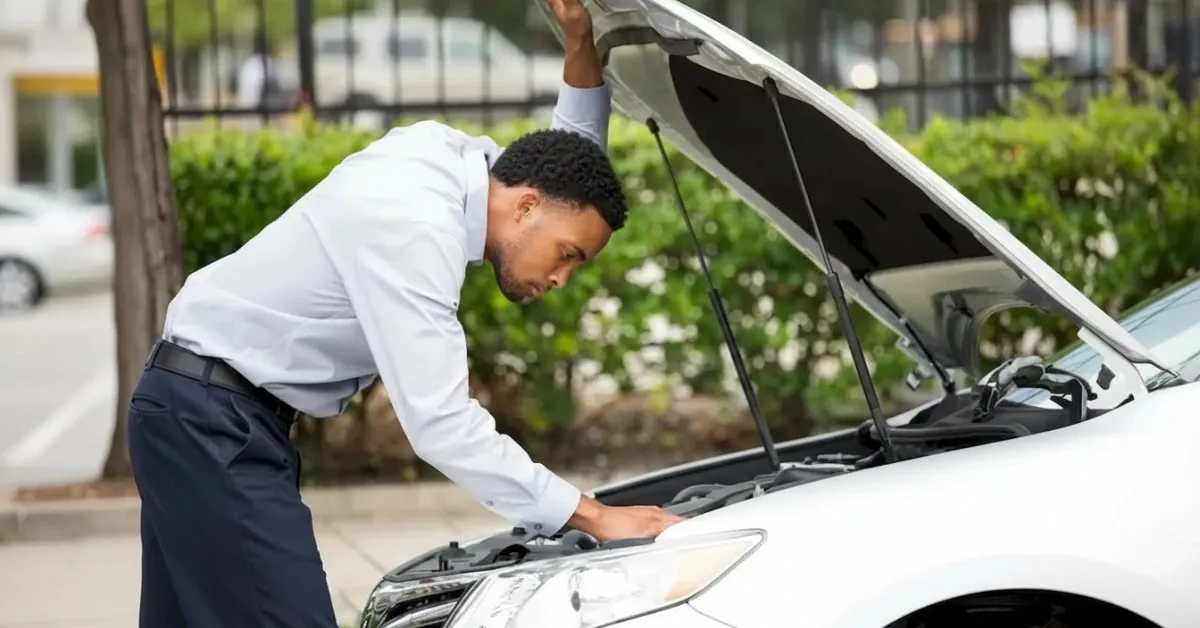
Our winters look gentle next to Europe's, yet a drop in temperature still tells on a car battery more than most motorists expect. In the cooler months, above all on early starts, lazy cranking and sudden failures become far more common.
Our call-outs climb as soon as the nights cool. Nearly all could be avoided with basic upkeep.
Read on for why falling temperatures sap a battery and the steps that keep it strong and ready every morning.
What Cooler Air Does to a Battery
Power comes from a chemical reaction inside the case. As the air cools, that reaction slows, and the unit can give out less current.
Meanwhile the engine is harder to turn over when it is chilly, which leans even harder on a battery that is already below its best.
The results can include:
- A starter that turns more slowly
- Less stored energy on tap
- Sluggish electrics
- A battery that fails without warning
When the unit is already ageing or tired, a cold night can be all it takes to finish it.
Have It Checked Before the Cool Season
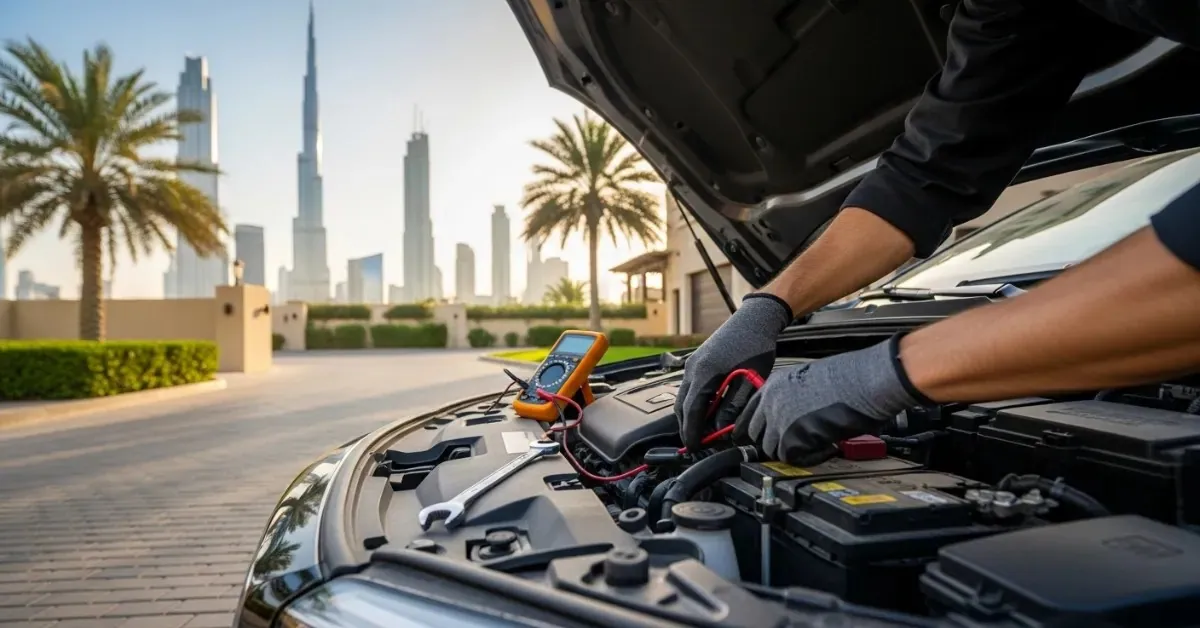
Inspecting early is the surest protection. A sound battery copes with a chilly morning far better than a failing one.
Look at:
- Its age (in UAE conditions most give 2–4 years)
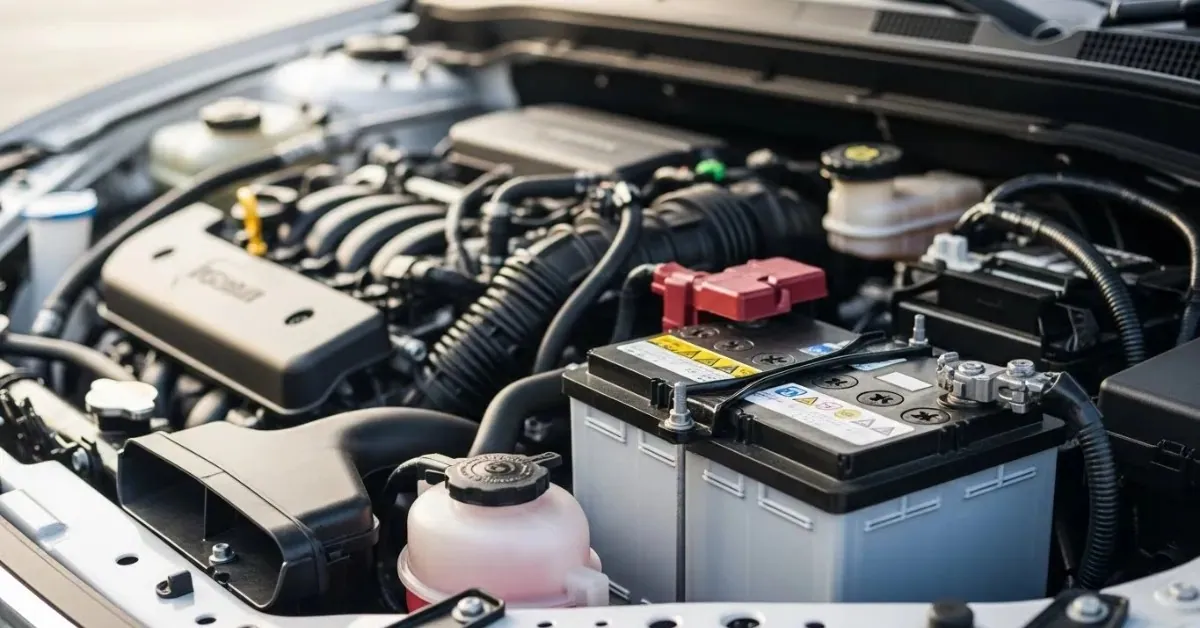
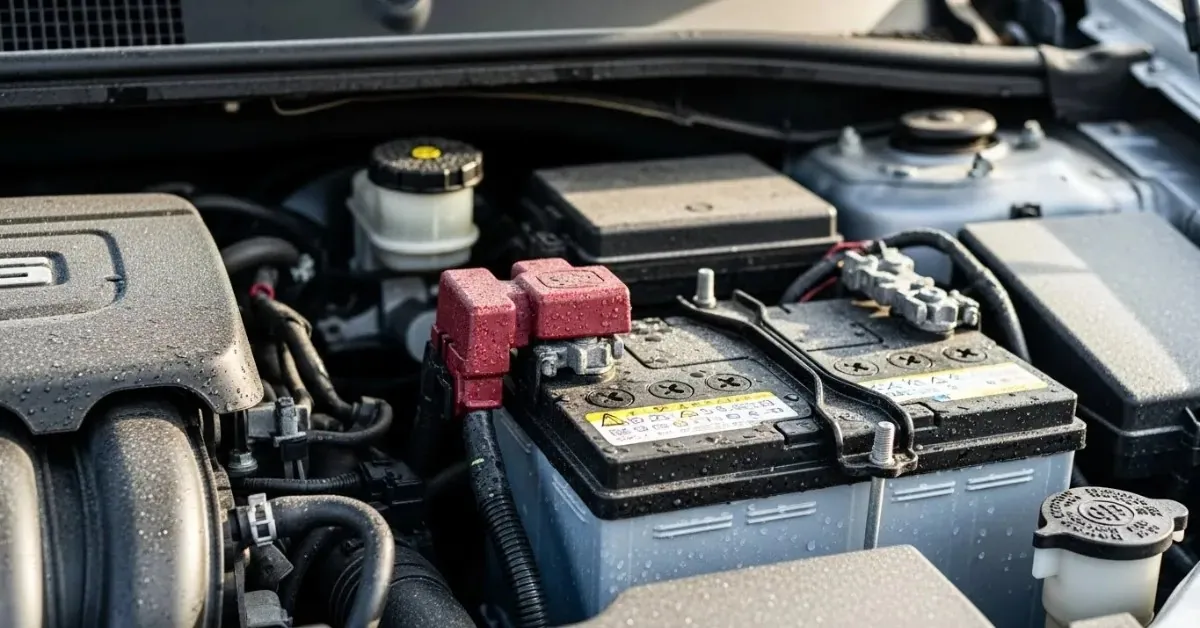
- Deposits forming around the terminals
- Cables that are slack or damaged
- A case that bulges or leaks
A car that hesitates first thing in the morning is telling you something. That brief pause is often the earliest clue.
Look After the Terminals
Grime or a loose clamp restricts the current. On a cold morning, even a little extra resistance can be the difference between starting and not.
Your to-do list:
- Brush away corrosion gently
- Check each clamp is snug
- Do not let grease pile up on the connectors
It takes minutes and gives the starter a cleaner path for current.
Keep the Car Moving
Few things kill a battery like brief or occasional use, and cooler weather makes that worse.
If the car mostly sits:
- It never gets a complete recharge
- Low temperatures bleed away what charge it holds
- Onboard electronics nibble at the rest
Aim for drives of 20–30 minutes a few times each week, which gives the alternator a proper chance to refill it.
Should the engine refuse after days parked, a Car jump-start service will get you going and often uncovers a deeper car battery problem.
Switch Accessories Off Before You Turn the Key
A chilly start already demands extra current, and anything left running adds to the burden.
Before you start up:
- Headlights off
- AC or heater off
- Phone chargers unplugged
- Infotainment screen off
With less asked of it, the battery can put more into turning the engine.
Think About Where the Car Spends the Night
Your parking spot matters more than you might assume.
Good choices:
- A garage, where you have one
- A covered or sheltered bay
- Anywhere out of the wind after dark
A few degrees of shelter help the unit keep its charge until morning.
Test the Alternator Too
Plenty of so-called battery failures are really a weak alternator.
When it is not charging as it should:
- The battery runs down quicker on cold days
- Dash lights can flicker
- The battery warning symbol may come on
Spot any of these and an alternator & dynamo repair check stops the fault recurring.
Do Not Make Jumpstarts a Habit
A jump gets you out of trouble, but doing it again and again wears the battery out.
Needing them often points to:
- A battery that is nearly worn out
- Charging trouble
- Something drawing too much current
Once jumps become routine, fitting a new unit beats waiting for total failure, and makes an unplanned call to roadside assistance less likely.
Watch Out for Add-On Gadgets
Aftermarket extras can keep drawing current after you lock up.
Typical offenders:
- Dashcams
- Phone chargers
- LED light kits
- Upgraded sound systems
Their effect shows more in the cold. Have extras fitted professionally and turn them off when idle.
Know the Moment to Replace It
Every battery wears out eventually; a cold spell just exposes the weak ones sooner.
Think about replacing it when:
- It has been fitted for over 3 years
- Cool-morning starts drag
- You are jump-starting it regularly
- A voltage test shows low output
Swapping a failing unit in good time costs less, and is safer, than a surprise breakdown or calling for car towing at an awkward hour.
If It Dies Without Warning
However careful you are, things still go wrong.
When the battery gives up:
- Stay composed and get somewhere safe
- Stop trying the ignition over and over
- Get a professional out to you
A car recovery Dubai team can move the vehicle without further damage. If you are also stuck with something like a puncture, a flat tyre change service sorts that too.
Small Routines, Big Payoff
In short, these habits keep a battery going through the cooler months:
- Check it at regular intervals
- Keep the terminals clean
- Drive often
- Turn gadgets off before starting
- Choose a sheltered spot overnight
- Have the alternator tested
Taken together, they cut the chance of a failure considerably.
The Bottom Line
UAE winters are hardly severe, but they still take more out of a battery than most people think, and a weak one tends to fail in the cold with no warning at all.
Follow these steps for more years from the unit, fewer surprise breakdowns and fewer emergency battery replacement call-outs. We would always rather help you prevent a problem than fix one.
A few minutes of care now saves you time, money and worry later.
Battery trouble in Dubai? We come to you.
On-site testing, replacement and roadside help, 24/7 across the city.